World Money pushes stablecoin balances and tokenized investing into one consumer finance app
World’s new Money app packages stablecoin balances, cross-border transfers, onchain earn programs and selected RWA investing into a single consumer wallet experience. The rollout shows how stablecoin rails are being bundled with familiar financial-app workflows rather than presented as standalone crypto infrastructure.
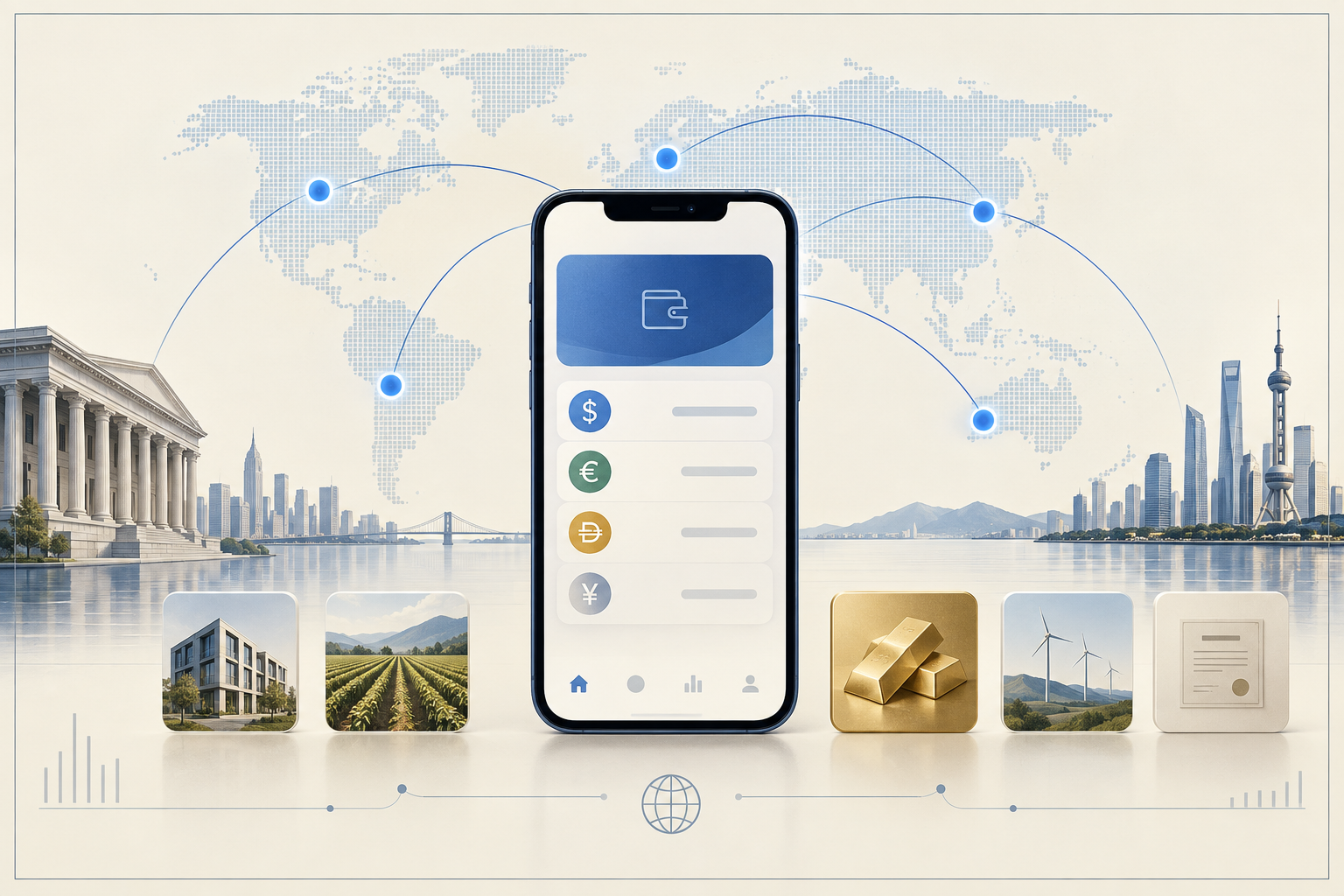
World is turning its wallet into a broader financial app, with World Money beginning rollout as a consumer product built around stablecoin balances, global transfers, earn programs and access to selected investable assets. The launch matters because it packages several onchain finance primitives into a mainstream app surface: a user sees balances, payments, yield options and investing in one place, while the underlying rails remain digital assets and third-party protocols.
The company says World Money is rolling out in more than 150 countries, with features and eligibility varying by market. Its core pitch is straightforward: users can hold balances in U.S. dollar-linked stablecoins and other supported local-currency stablecoins, send digital assets across borders, and use a World username as the destination identifier. That design brings stablecoin payments closer to a consumer remittance or wallet experience, where the abstraction is a contact and a balance rather than a blockchain address.
World’s own product page describes the app as combining stablecoins, payments, investing, earning, virtual accounts and global transfers. The supporting launch material adds that users can discover Mini Apps such as Kalshi, Credit and Morpho inside the same environment. In markets where the option is available, funds can also move into a personal virtual account powered by Bridge, adding another layer between onchain balances and more familiar account-based money movement.
The stablecoin component is the clearest RWA-relevant piece. Stablecoins are already the largest live category of tokenized real-world value by usage, and World Money treats them as default account balances for payments and savings-like workflows rather than as trading collateral. The product page says eligible assets include Worldcoin, USDC and wARS for earn programs, and it explicitly frames U.S. dollar-linked and local-currency stablecoins as balances designed for everyday use.
World is also positioning the app as a gateway to onchain yield and selected tokenized assets, but its disclosures are important. Earn programs are described as being powered by Morpho, an independent onchain protocol, with variable rewards that are not guaranteed. The product language states that assets may be lent to other protocol users, withdrawals depend on onchain liquidity and protocol conditions, principal is not guaranteed, and earn balances are not bank deposits or insured by FDIC, SIPC or any government agency.
That risk framing is useful because it separates two very different consumer experiences that often sit next to each other in crypto apps. Holding or transferring a stablecoin balance is one activity; depositing assets into a lending protocol for rewards is another. As RWA and stablecoin products move into more polished interfaces, the quality of these distinctions becomes part of the product’s trust layer, especially for users who may not understand the difference between payment balances, protocol deposits and investment exposure.
The investing tab adds another bridge to RWA behavior. World says users can trade assets including cryptocurrencies and selected real-world assets such as gold from within the app. The broader direction is less about a single tokenized asset listing and more about product bundling: stablecoin balances become the funding layer, verified identity can shape eligibility or incentives, and onchain venues provide access to yield and investment primitives.
For the RWA market, World Money is a sign that distribution may matter as much as issuance. Tokenized dollars, gold exposure and protocol-based rewards are no longer only infrastructure stories for issuers and exchanges; they are being pulled into consumer finance apps with identity, payments and app-store style discovery. If these products can preserve clear disclosures while reducing wallet complexity, stablecoin rails could become a normal entry point into broader tokenized-asset usage.