VARA and Securitize are testing whether Dubai can turn tokenization from a licensing story into repeatable market infrastructure
Dubai regulator VARA and Securitize signed an MoU aimed at regulated tokenization initiatives, institutional participation and market design. The move stands out because Securitize already has live experience under VARA’s framework, giving the partnership more substance than a generic ecosystem pledge.
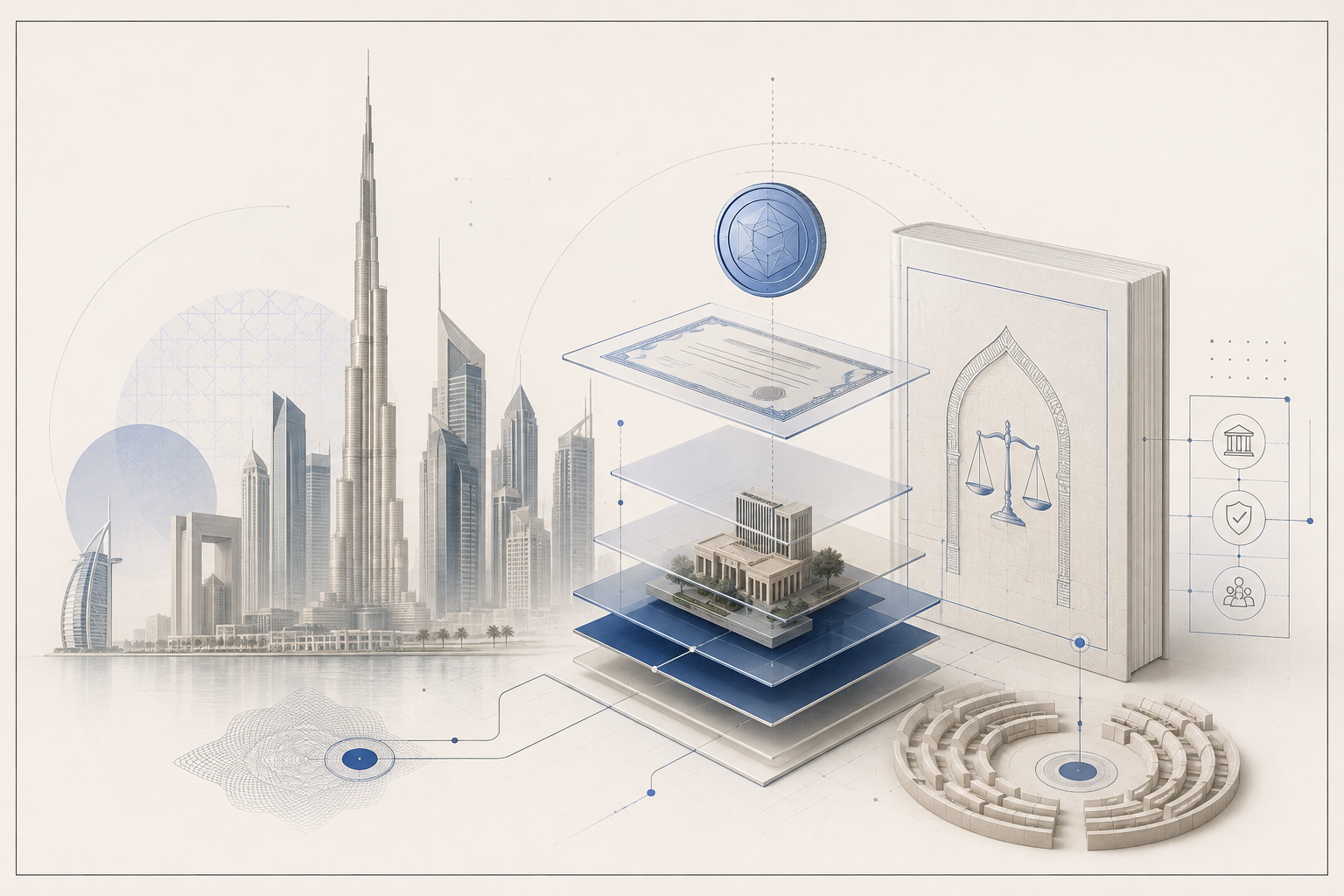
Dubai’s tokenization push is entering a more consequential phase. The latest trigger is a memorandum of understanding between the Virtual Assets Regulatory Authority, or VARA, and Securitize, the publicly listed tokenization platform that has become one of the largest real-world-asset operators in the market. According to the original Cointelegraph report, the agreement is meant to create a collaborative framework for regulated tokenization initiatives in Dubai, encourage institutional participation and explore how tokenized financial products should operate within the emirate’s regulatory architecture. On its own, an MoU would not guarantee commercial outcomes. In this case, though, the pairing is worth attention because both sides already have enough regulatory and product history to make the initiative more than a symbolic handshake.
The first point of corroboration is Securitize’s own public disclosure. In its second-quarter 2026 results, the company said it had been selected as the tokenization partner of Atlas Capital to launch USAFi under Dubai’s VARA framework, describing it as Securitize’s first issuance under VARA’s Asset Reference Virtual Asset rulebook. That matters because it shows Securitize is not arriving in Dubai as a newcomer looking for optionality. The company is already using the jurisdiction’s framework for an actual product structure, and it framed that work alongside broader efforts in tokenized equities, onchain collateral and institutional trading infrastructure.
The second piece is VARA’s own published rulemaking record. In October 2023, the regulator said it was taking one of the first proactive positions globally on specific categories of virtual assets backed by real-world assets, including fiat-referenced structures. VARA said those rules were designed to establish prudential requirements, disclosure obligations, licensing standards and whitepaper controls for asset-referenced issuance while aligning with anti-money-laundering and market-stability goals. Even though the new MoU announcement does not yet spell out a specific product roadmap, the policy backdrop is real: Dubai has already spent years building a rulebook intended to make tokenized issuance legible to institutions rather than leaving it in a grey zone.
That context is what makes Securitize a logical counterparty. In its quarterly filing, the company said it had roughly $5 billion in assets managed onchain as of July 2026 and highlighted a range of relationships aimed at linking tokenized assets to mainstream capital-markets plumbing. Those included work with transfer agents such as Computershare and Continental, an NYSE-linked tokenized-equities initiative, expanded broker-dealer permissions through FINRA, and collateral and settlement integrations tied to products such as BlackRock’s BUIDL. In other words, Securitize is not simply a token issuance vendor. It is trying to assemble the distribution, trading, compliance and record-keeping stack that would let tokenized products behave more like conventional financial instruments with onchain settlement features.
From Dubai’s perspective, the attraction is straightforward. Jurisdictions competing for tokenization business need more than favorable marketing or a sandbox label. They need credible issuers, operating history and evidence that products can be supervised over time. Cointelegraph reported that VARA described the MoU as a way to combine regulatory perspective with Securitize’s institutional tokenization experience to support trusted, regulated tokenized markets in Dubai. That framing lines up with the regulator’s broader posture: attract activity, but do it inside a rulebook that defines who needs registration, who needs full licensing and what disclosures must accompany issuance.
For the broader RWA market, the more important question is what kind of tokenization hub Dubai is trying to become. Many jurisdictions can host offshore wrappers. Fewer can support repeat issuance where legal structure, custody, transfer restrictions, investor eligibility and secondary trading all fit together. Securitize’s existing experience under VARA’s framework, plus its parallel work in the United States and Europe, gives Dubai access to a platform that has already confronted those implementation problems in multiple regulatory settings. If the collaboration develops into live issuance pipelines, it could position Dubai less as a promotional venue and more as a jurisdiction where tokenized products are designed to survive institutional due diligence.
There are still obvious limits. Neither the Cointelegraph report nor the official materials currently available point to a named new product, an issuance calendar or committed asset volume under the MoU. That means the agreement should not be read as evidence that a large wave of Dubai-native tokenized securities is imminent. Tokenization partnerships often get announced well before legal, operational and distribution details are ready. There is also the practical question of whether local demand, cross-border eligibility rules and secondary-market liquidity can keep pace with the ambition embedded in the regulatory framework.
Even so, this is a stronger development than a generic ecosystem memorandum because it joins a regulator that has already published an asset-reference rulebook with a platform that is already issuing under it and operating at meaningful institutional scale elsewhere. For RWA watchers, that combination is the real story. The next stage of tokenization will not be defined by slogans about bringing assets onchain; it will be defined by whether jurisdictions can turn rules, transfer controls, custody, disclosures and trading access into a repeatable market structure. VARA and Securitize appear to be trying exactly that in Dubai.