Stablecoin card spending clears the $1 billion mark as digital dollars move into everyday payments
Stablecoin-funded card spending reached $1.04 billion in July and is increasingly showing up in groceries, ride-hailing and subscriptions rather than just crypto cash-outs. The milestone points to digital dollars becoming a practical funding layer for mainstream card payments instead of a niche balance held only inside trading venues.
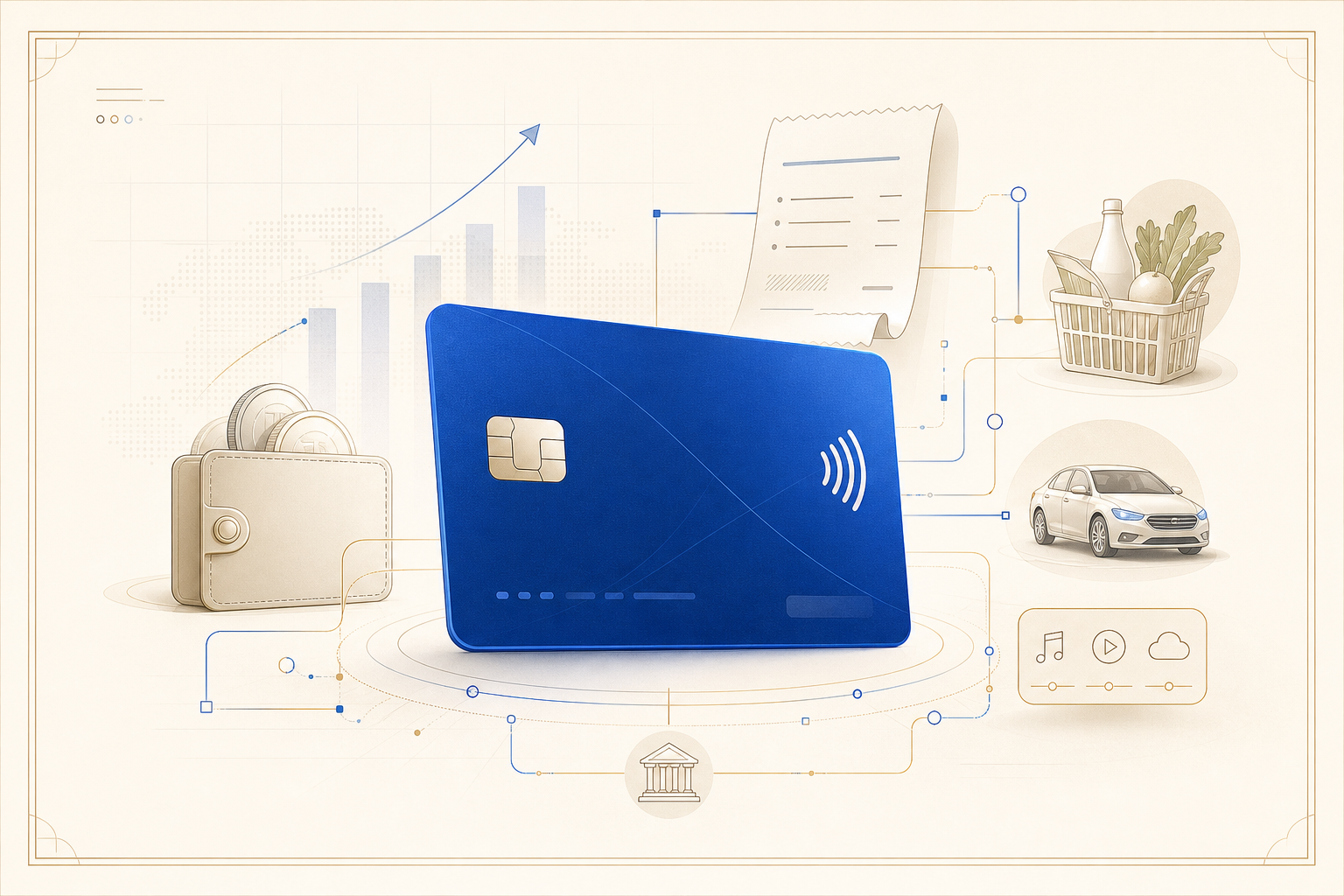
Stablecoin cards are starting to look less like a crypto novelty and more like a real consumer payments category. Tracked monthly spend reached $1.04 billion in July, according to Paymentscan figures highlighted by a16z crypto, with more than 10 million transactions flowing through card programs that let users fund purchases with digital dollars while merchants still receive local fiat through existing payment networks. That threshold matters because it suggests stablecoins are no longer being used only as trading collateral or cross-border settlement balances. A growing share is now showing up in the small, repetitive transactions that define ordinary consumer finance.
The mix of assets behind that spend is also telling. Dollar-backed stablecoins supplied roughly 70% of tracked card volume in July, with USDC accounting for just over half and USDT contributing another fifth. A year earlier, euro-backed activity had a far larger footprint in this segment, but the market has since consolidated around digital dollars. The shift reinforces a broader pattern visible across onchain finance: when users want a spendable cash instrument, they overwhelmingly prefer units that map cleanly to the dollar and can move across exchanges, wallets and payment apps without introducing foreign-exchange friction at checkout.
Just as important, average ticket sizes are moving in the wrong direction if the product were mostly being used as a one-time off-ramp from crypto into bank money. Paymentscan's July data put the average purchase at about $86, up from around $59 a year earlier, while transaction counts climbed into the millions. That profile looks much more like repeat retail usage than a handful of large cash-out events. The merchant categories disclosed by operators point the same way. Oobit said active users in Brazil spend about $400 per month across roughly 20 transactions, with grocery stores and supermarkets representing the largest spending category in its regional activity. Binance separately said leading use cases for its Brazil card include ride-hailing, food delivery, groceries, restaurants and online subscriptions.
None of this means stablecoins are displacing Visa or Mastercard at the point of sale. The more realistic interpretation is that stablecoins are becoming a new funding layer that rides on top of the incumbent card rails. The customer experience remains familiar: tap a card or a wallet, get the purchase approved, and let the merchant settle in fiat. The innovation sits behind the scenes in how balances are held, converted and moved. That architecture is precisely why the category can scale faster than merchant-direct crypto acceptance ever did. It asks consumers to change almost nothing and asks merchants to change even less.
The infrastructure buildout now looks broad enough to support that transition. Visa said in June that it had more than 160 stablecoin-linked card programs live or in development worldwide, a sign that issuers and infrastructure providers see persistent demand rather than a short-term marketing cycle. In Asia-Pacific, StraitsX has been pitching stablecoin-backed cards as a compliant way for fintechs to launch Apple Pay-compatible products without building their own network and licensing stack from scratch. Its description of the model is straightforward: stablecoins fund and settle the transaction in the background, while Apple Pay handles the wallet experience and Visa continues to route the payment. That kind of modular setup lowers the operational hurdle for new entrants and helps explain why card availability is spreading geographically.
There are still reasons to be cautious. The tracked market remains concentrated, with a few programs representing most observed volume, and some of the largest figures rely partly on self-reported data rather than entirely onchain observation. Cards also inherit the compliance, chargeback, consumer-protection and sponsor-bank constraints of the traditional payments system, even when the funding asset is tokenized cash. And while crypto cards are growing quickly, they are still tiny beside the trillions of dollars processed every month on conventional card networks. Reaching the first billion in monthly spend is a milestone, not proof that stablecoin cards have already won mass-market distribution.
Even so, the direction of travel is hard to miss. Stablecoins are becoming more useful when they can serve two functions in the same balance: preserving dollar exposure and then paying for daily expenses without a forced return to the banking stack first. That is a more durable consumer proposition than pure speculation and a more measurable one than broad claims about future crypto adoption. If July's spending data holds and the operator mix keeps widening, the next phase of the stablecoin market may be defined less by exchange turnover and more by whether digital dollars can quietly become an accepted funding source for everyday payments around the world.