SEC custody rewrite moves closer to rules that tokenized funds can actually use
The SEC has advanced proposed custody-rule amendments to White House review, a procedural step that could matter more for RWA markets than many headline-grabbing token launches. If the agency follows through, the result could be clearer operating rules for advisers and funds holding tokenized assets inside regulated products.
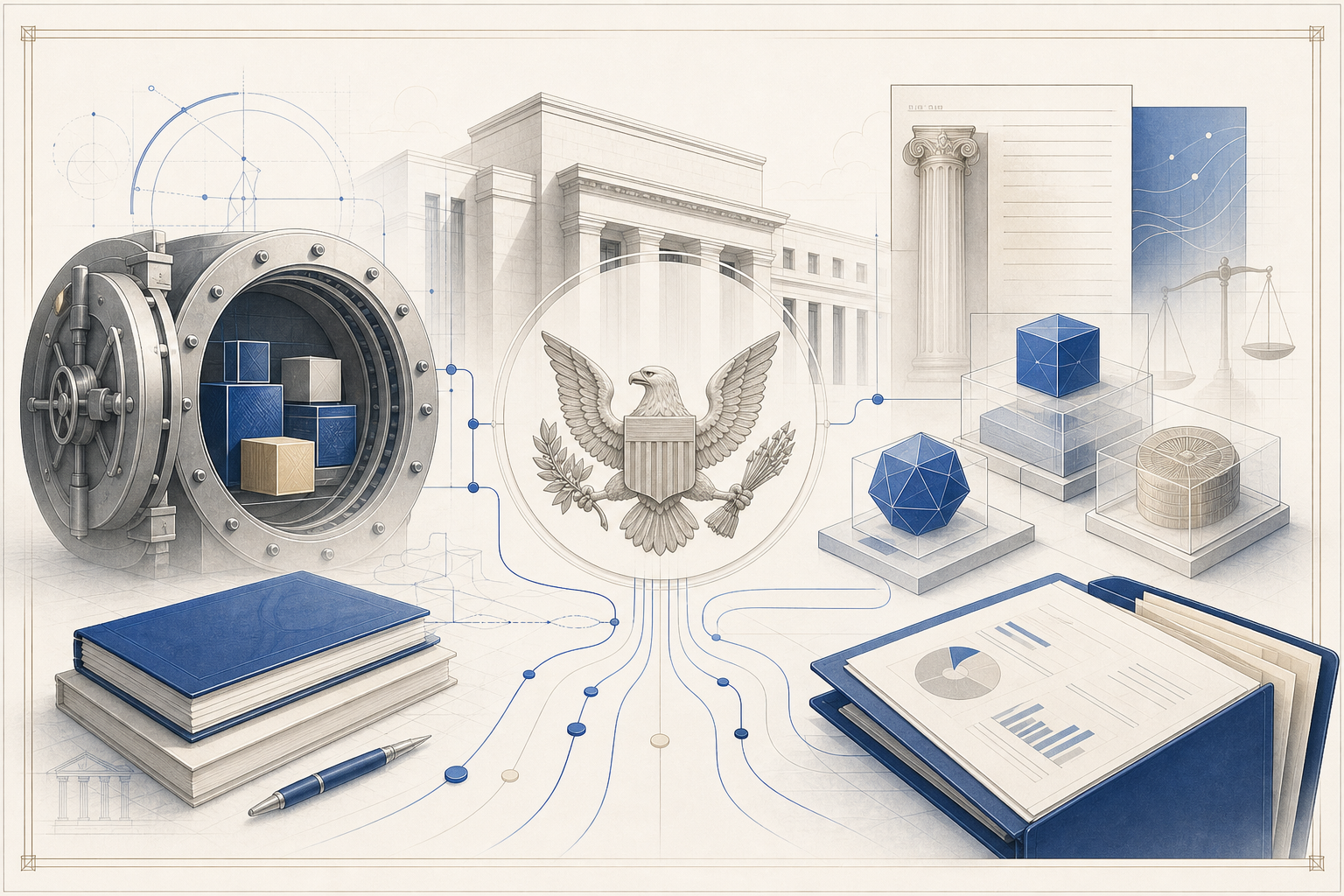
One of the quieter but more consequential RWA stories this week is not a new tokenized fund or a fresh issuance deal. It is a rulemaking step in Washington. The SEC has moved its proposed amendments to the custody rules into White House review, putting a live regulatory process behind a question that sits underneath much of institutional tokenization: how are advisers and registered funds supposed to hold client assets when those assets increasingly include crypto and tokenized instruments? The proposal is not public yet and it is nowhere near final. Even so, the move matters because custody is one of the practical gates between experimental onchain finance and products that large allocators can use at scale.
The underlying item on the federal rulemaking agenda is explicit about the agency’s direction. Under RIN 3235-AN46, the SEC says it is considering amendments to existing rules and potentially new rules under the Investment Advisers Act of 1940 and the Investment Company Act of 1940 to modernize custody regulation for advisory client and fund assets, including crypto assets. That agenda entry describes the work as economically significant and keeps it at the proposed-rule stage. The immediate procedural development reported this week is that the package has now been sent to the Office of Information and Regulatory Affairs for interagency review before it can return to the commission for a vote on public release. That does not settle the substance, but it does move the project from abstract policy talk into a clearer regulatory track.
For RWA builders, custody is not an administrative footnote. It is the operating layer that determines whether tokenized Treasury funds, money-market products, stablecoin-linked cash vehicles and blockchain-based securities can sit comfortably inside regulated distribution channels. Issuers can structure instruments, write smart contracts and line up transfer agents, but institutional adoption stalls if advisers remain uncertain about who can control keys, what qualifies as possession or control, how omnibus arrangements should be handled, and where traditional custodians fit when a security or cash instrument also exists as an onchain token. A cleaner rule set would not remove every obstacle, but it could narrow one of the biggest sources of hesitation in the market.
That is why this rulemaking matters beyond pure crypto custody. The next phase of tokenization is increasingly about wrapping familiar products in compliant distribution and servicing models rather than asking institutions to tolerate separate operational stacks. Onchain money funds, tokenized Treasury strategies and digitally native collateral pools all need a custody answer that regulators, auditors, boards and compliance teams can understand. If the SEC produces a framework that recognizes digital-asset mechanics without forcing every product into improvised workarounds, the beneficiaries will include not just crypto exchanges and wallet providers but asset managers trying to bring regulated balance-sheet products onchain.
At the same time, the review step should not be overstated. OIRA review can change language, timing and scope, and the commission would still need to publish the proposal, gather comments and eventually adopt a final rule. Industry participants should also expect a hard debate around how far the SEC goes in distinguishing crypto assets, tokenized securities and more conventional book-entry assets that happen to use blockchain rails somewhere in the stack. Those distinctions matter. A rule that is broad enough to address digital custody at a policy level may still leave operational edge cases unresolved for tokenized transfer restrictions, redemption controls or multi-party settlement workflows.
Still, the directional message is important. The agency under Chair Paul Atkins has been signaling a preference for formal rulemaking over the older pattern of trying to shape the market primarily through enforcement. Whatever one thinks of the politics around that shift, it is generally better for institutional tokenization when the rules are debated in published text instead of inferred from litigation risk. Markets can adapt to stricter standards more easily than they can adapt to ambiguity. For RWA issuers and platforms, even a contested proposal is often more useful than a vacuum.
The larger implication is that tokenization is maturing into a custody and distribution problem as much as an issuance problem. The market already knows how to represent fund interests, short-duration government exposure and cash claims onchain. The harder question is how those instruments fit into the legal and supervisory architecture that governs advisers and registered vehicles. The SEC’s custody project does not answer that question yet, but it is one of the few live federal processes that could reshape the answer. That makes this review step worth tracking closely, especially for anyone betting that the next leg of RWA growth will come through products that institutions can buy, hold and administer without stepping outside familiar regulatory guardrails.