Petrobras tests onchain records for renewable fuel claims
Petrobras is testing Cardano-based applications for sustainable aviation fuel and renewable diesel, shifting blockchain traceability from financial assets into energy-sector claims. The work focuses on preventing double-counted environmental benefits and creating auditable fuel histories.
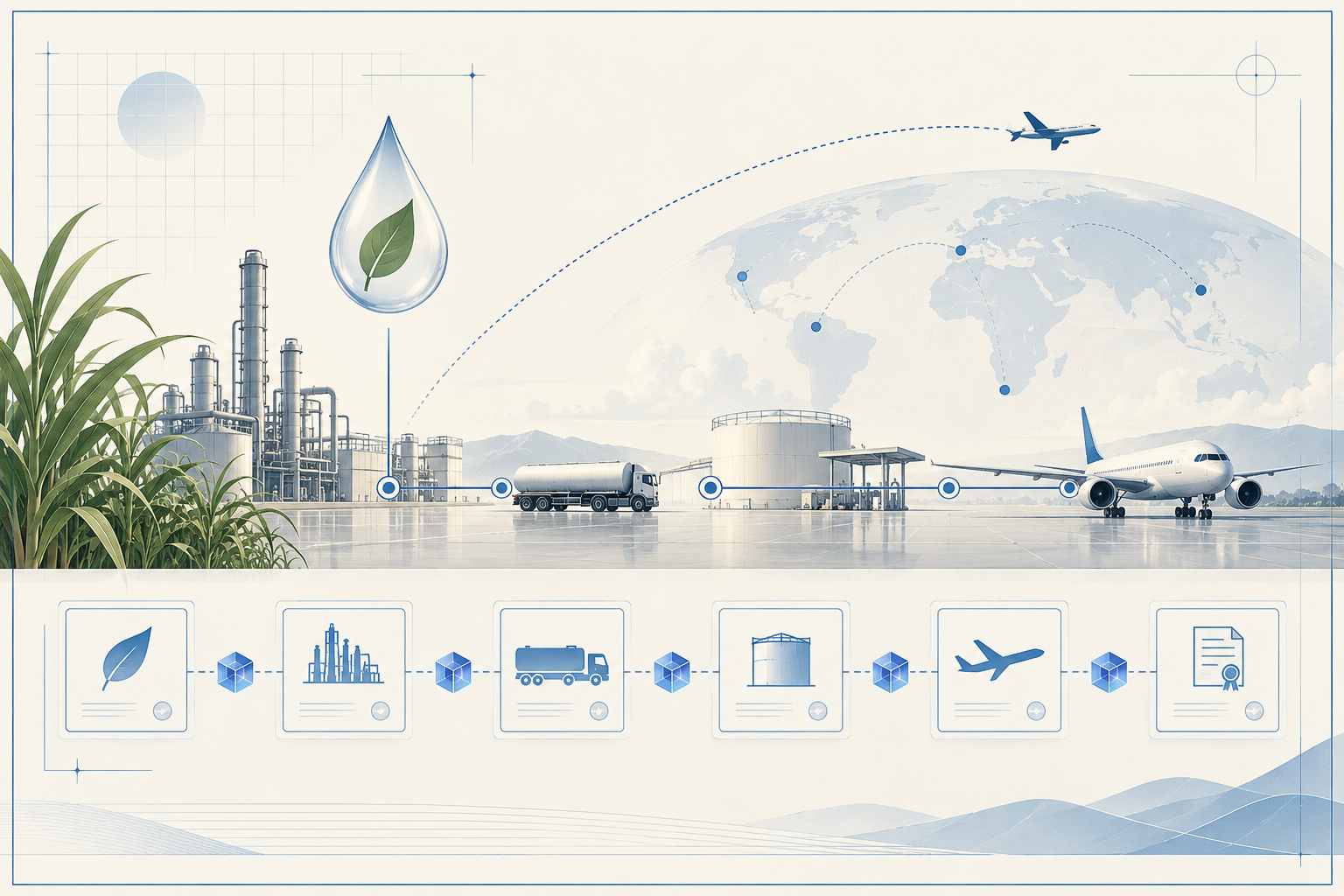
Petrobras is testing blockchain-based traceability for renewable fuel claims, a physical-asset use case that sits outside the usual tokenized fund and stablecoin cycle but speaks directly to the same institutional problem: how to make offchain records easier to verify without pretending the real-world asset has become fully onchain. The Brazilian state-controlled energy company is working with Cardano-based applications for sustainable aviation fuel and Diesel R, its renewable diesel product, with the projects currently described as research-stage rather than commercial deployments.
The sustainable aviation fuel application is built around the book-and-claim model used in lower-carbon fuel markets. In that structure, the physical fuel may be consumed in one location while the environmental benefit is purchased and assigned elsewhere. That flexibility can help airlines, corporates or travelers participate even when the exact fuel does not enter their own aircraft, but it also creates a recordkeeping challenge: the same emissions benefit must not be sold, claimed or reported twice.
The Cardano-based design addresses that problem by tokenizing environmental attributes linked to sustainable aviation fuel into digital records. Those records are intended to show where a benefit originated, who received it and when it was claimed. For passengers, the workflow described for the research application includes entering a departure and destination, calculating the associated fuel benefit and receiving a certificate that links the allocation back to the original fuel certificate. The important point is not speculative trading of a new token; it is controlled attribution of a real-world environmental claim.
A second application applies the same provenance logic to Diesel R. Instead of assigning a separable environmental benefit to an airline or passenger, the diesel project records checkpoints across production, transportation and use. That creates a digital history of the fuel’s journey and can support emissions reporting by making the underlying process data easier to reconcile. For industrial assets, the value of that model depends less on public-chain novelty and more on whether counterparties can trust that each checkpoint reflects a verified operational event.
The projects remain early. No broad deployment timeline, covered fuel volume or live commercial integration has been disclosed. That limitation matters because traceability systems only become useful at scale when they are connected to the entities that generate, audit and consume the underlying records. A blockchain entry can reduce reconciliation friction, but it cannot by itself validate feedstock quality, production methods, transport data or compliance status. The offchain controls still determine whether the onchain record is meaningful.
Even with those caveats, the Petrobras work is a useful signal for RWA markets because it broadens the conversation beyond securities wrappers. Tokenization is often framed as putting bonds, funds or equities onchain, but many real-world asset workflows are about attestations, certificates, receipts and lifecycle records. Renewable fuel claims fit that category: the economic value is tied to a physical commodity and an environmental attribute, while the operational risk sits in whether the claim is unique, traceable and accepted by the relevant counterparties.
The Cardano Foundation has positioned the work as part of a wider enterprise traceability push in Brazil, and the country has become a practical testbed for blockchain recordkeeping in both public and industrial contexts. Petrobras is also a useful test case because the company itself is a large, listed energy producer with tokenized stock exposure already represented in parts of the onchain market. That does not make the fuel projects financial instruments, but it does connect the same issuer to multiple forms of digital market infrastructure: securities exposure on one side and operational provenance on the other.
For RWA builders, the takeaway is straightforward. The next durable use cases may not all look like tradable tokens. Some will look like cleaner registries, shared audit trails and digital certificates that make real-world claims easier to prove. Petrobras’ renewable fuel pilots are still research-stage, but they point toward a pragmatic branch of tokenization where the onchain layer supports verification first and market liquidity second.