MoonPay’s North Capital Deal Targets the Regulated Stack Behind Tokenized Securities
MoonPay agreed to acquire North Capital, adding broker-dealer, advisory and ATS infrastructure aimed at private and tokenized securities. The deal shows RWA platforms are buying regulated market plumbing, not just building token interfaces.
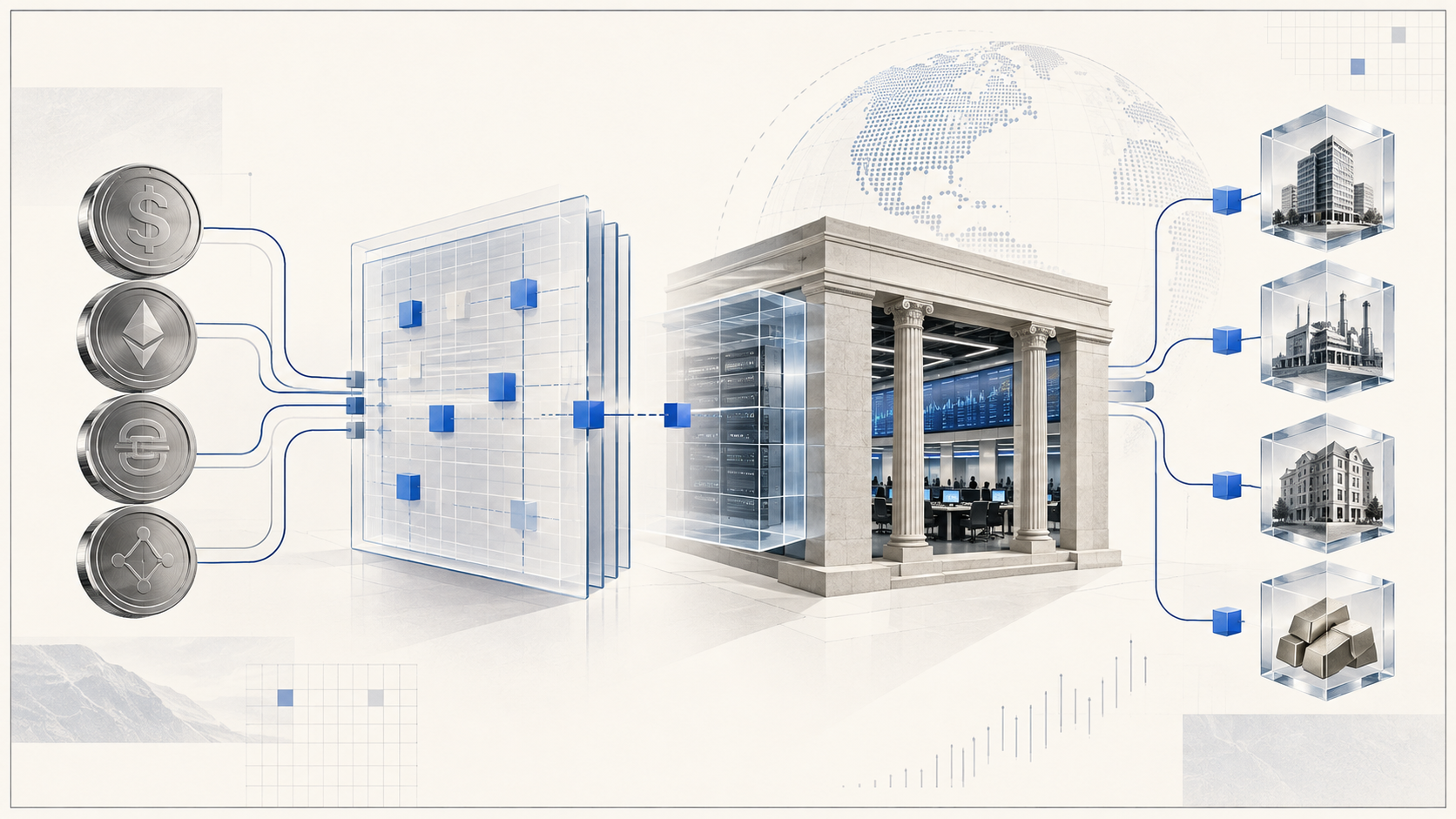
MoonPay has agreed to acquire North Capital Investment Technology, a deal that would move the crypto payments infrastructure company deeper into regulated capital markets and tokenized securities. The transaction is structured around a definitive merger agreement and remains subject to required regulatory approvals and customary closing conditions. If completed, North Capital would become a wholly owned subsidiary of MoonPay, bringing private securities technology and regulated financial services capabilities into MoonPay’s broader onchain infrastructure platform for issuers, intermediaries and investors.
The strategic value is in North Capital’s market plumbing. The company supports capital raising, asset management, clearing, custody and secondary trading for exempt securities, including tokenized securities. Its operating businesses include SEC-registered broker-dealers, an SEC-registered alternative trading system, a registered investment adviser and an escrow agent. That mix is difficult to replicate quickly and gives MoonPay a more direct route into securities workflows that require licensing, compliance controls and investor eligibility checks.
North Capital’s PPEX ATS is the centerpiece for secondary-market relevance. The platform has more than 1,250 approved assets available for secondary trading, while North Capital’s broader platform has supported more than $8.7 billion in primary and secondary transaction volume. Those numbers are not large compared with public equity markets, but they are meaningful in private markets, where liquidity is fragmented and transaction infrastructure is often manual. For tokenized securities, an ATS can become the venue layer that turns a compliant token into something investors can actually trade.
MoonPay’s stated rationale is that financial markets are becoming more technology-driven while the infrastructure behind them remains fragmented across providers and workflows. That is especially true in RWA tokenization. Issuers can create digital representations of debt, equity or fund interests, but issuance alone does not solve onboarding, qualification, custody, transfer restrictions, secondary liquidity, reporting or settlement. The acquisition points to a more vertically integrated model in which the consumer and enterprise access layer sits closer to licensed securities infrastructure.
The deal also fits a broader pattern in tokenization: platforms are moving from token minting toward regulated distribution and lifecycle management. Tokenized funds, private credit and alternative investments all need more than smart contracts. They need legal records, transfer agents, broker-dealer oversight, investor communications and venue rules that define who can buy or sell. North Capital’s infrastructure was built for private securities and exempt offerings, making it relevant to the types of assets many RWA platforms want to bring onchain.
There are important limits. Regulatory approval is still required, and owning or integrating licensed entities does not automatically make every tokenized securities product viable. Securities offerings remain bound by exemptions, jurisdictional restrictions, investor-status requirements and disclosure obligations. The acquisition should therefore be read as a capability buildout, not an immediate launch of a broad retail tokenized-stock marketplace. The hard work will be aligning MoonPay’s global digital-asset rails with the narrower rules that govern U.S. private securities.
For the RWA market, the signal is still strong. Infrastructure companies are recognizing that tokenized assets need credible paths for issuance, custody and liquidity if they are going to compete with traditional private-market workflows. Acquiring regulated components can be faster than building every license and operating process from scratch, especially when the target already has issuer, intermediary and investor relationships.
The clean read is that the next phase of tokenization will be won by firms that control more of the regulated transaction stack. MoonPay already operates at the fiat-to-digital-asset access layer; North Capital would add a securities-market layer underneath tokenized private assets. If the deal closes and the integration works, it could make MoonPay less of a crypto checkout company and more of an infrastructure provider for onchain capital markets.