Coinbase adds fixed-rate USDC borrowing against bitcoin collateral
Coinbase is expanding crypto-backed credit with a fixed-rate USDC loan product that uses bitcoin collateral, Base settlement and Morpho’s newer fixed-term lending design. The move makes stablecoin borrowing look more like predictable credit rather than an open-ended variable-rate trade.
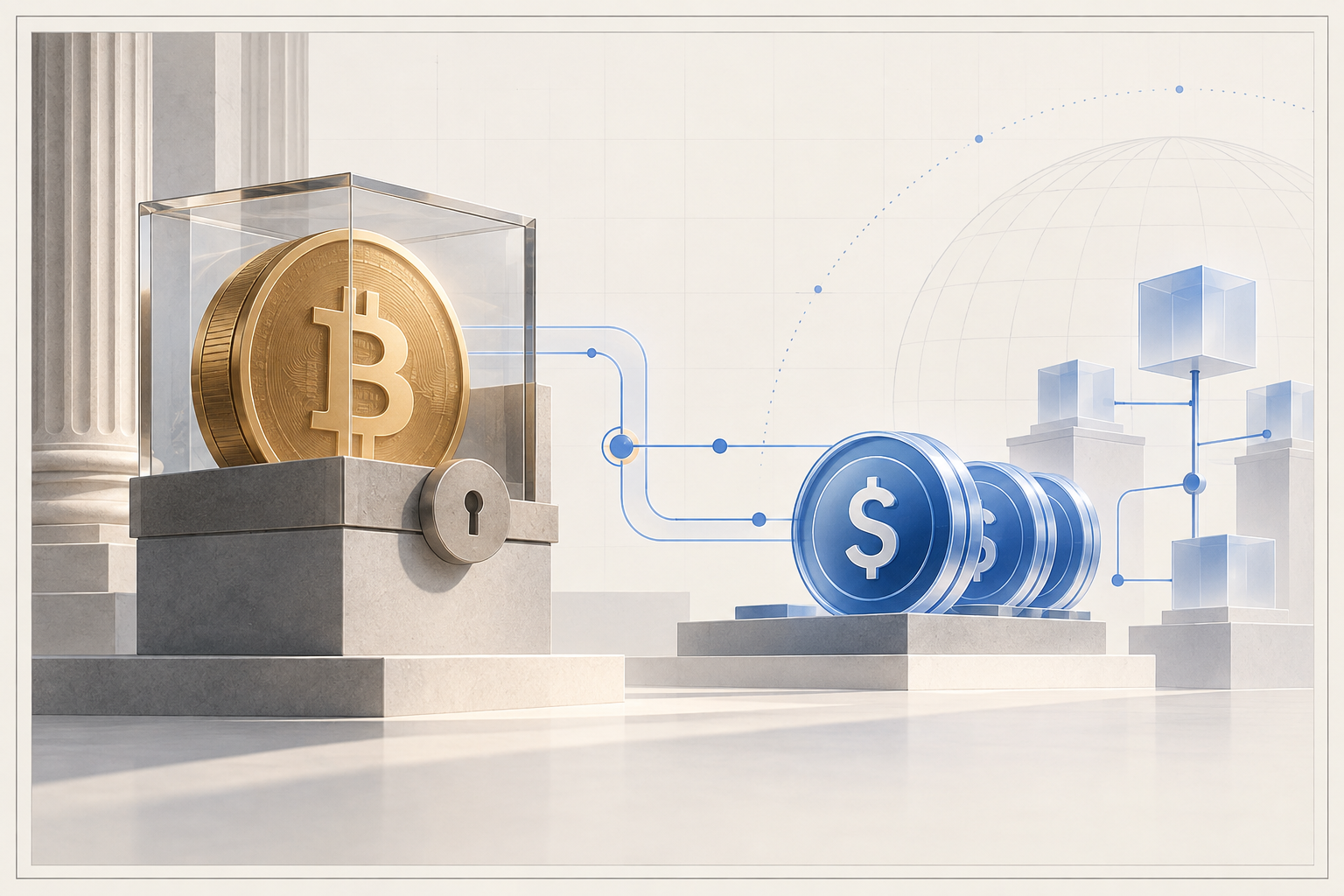
Coinbase has added a fixed-rate option for users who want to borrow USDC against bitcoin collateral, extending its crypto-backed lending product beyond the variable-rate model that has dominated much of onchain credit. The product gives borrowers the interest rate and repayment date at the start of the loan, a structure meant to make stablecoin liquidity less sensitive to day-to-day shifts in utilization and funding demand.
The practical change is straightforward: eligible users can pledge bitcoin, receive USDC, and know the borrowing cost before the loan is originated. That matters because many crypto lending products reset rates dynamically as market conditions change. A fixed-rate structure is closer to traditional secured credit, where borrowers can plan around a defined term rather than constantly monitoring a floating rate.
Coinbase’s existing borrow page already frames USDC loans as a way for customers to access dollar liquidity while keeping crypto exposure. It says loans are powered by Morpho on Base and describes a process in which collateral is moved onchain into Morpho smart contracts. The broader product page also states that crypto-backed loans are available in the United States and the United Kingdom, with borrowing limits depending on the collateral asset and account-level safeguards.
The new fixed-rate version is tied to Morpho Midnight, a fixed-rate and fixed-maturity credit design within the Morpho ecosystem. Morpho’s own materials position Midnight as a complement to Morpho Blue: Blue uses variable rates and open-ended markets, while Midnight is designed around fixed rates, fixed maturities and offer-based pricing. In plain terms, the borrower and lender are no longer only accepting a formula-driven pool rate; the product introduces a more explicit market for term credit.
For stablecoins, the development is another example of USDC being used as the dollar leg of secured onchain finance rather than simply as a trading quote asset. A bitcoin holder can convert collateral value into spendable or transferable stablecoin liquidity without selling the underlying asset, while lenders can price credit with a clearer view of term and repayment economics. That is still a crypto-native use case, but the architecture increasingly resembles the building blocks of conventional collateralized lending.
The risk profile remains different from a bank loan or brokerage margin product. Bitcoin collateral can move sharply, liquidation thresholds still matter, smart-contract and oracle assumptions remain relevant, and users need to understand where custody and protocol responsibilities begin and end. Fixed interest does not remove collateral volatility; it mainly reduces uncertainty around the cost of funds. For borrowers, the tradeoff is more predictable financing against an asset that can still reprice quickly.
The launch also highlights Base’s role as Coinbase’s settlement venue for financial products that blend a consumer interface with onchain execution. Coinbase can package the borrowing flow inside a familiar account experience, while the actual credit mechanics route through protocol infrastructure. That hybrid model is becoming one of the more important distribution patterns in RWA and stablecoin markets: centralized onboarding and user support at the edge, programmable settlement and collateral management underneath.
For RWA Trails readers, the important signal is not that bitcoin-backed loans are new; they are not. The signal is that large platforms are moving stablecoin credit toward term structures, clearer rates and more recognizable collateral workflows. If those pieces continue to mature, stablecoins may become a more useful funding instrument across tokenized assets, broker-like accounts and onchain credit markets that need predictable dollar liquidity.