Coinbase pushes tokenized stocks live on Base, moving blue-chip equities deeper into self-custodied DeFi
Coinbase-issued tokenized stocks are now live on Base for eligible users outside the U.S., turning a long-signaled product into a real onchain equities venue. The launch matters because it combines direct share claims, self-custody and DeFi composability instead of stopping at a closed brokerage wrapper.
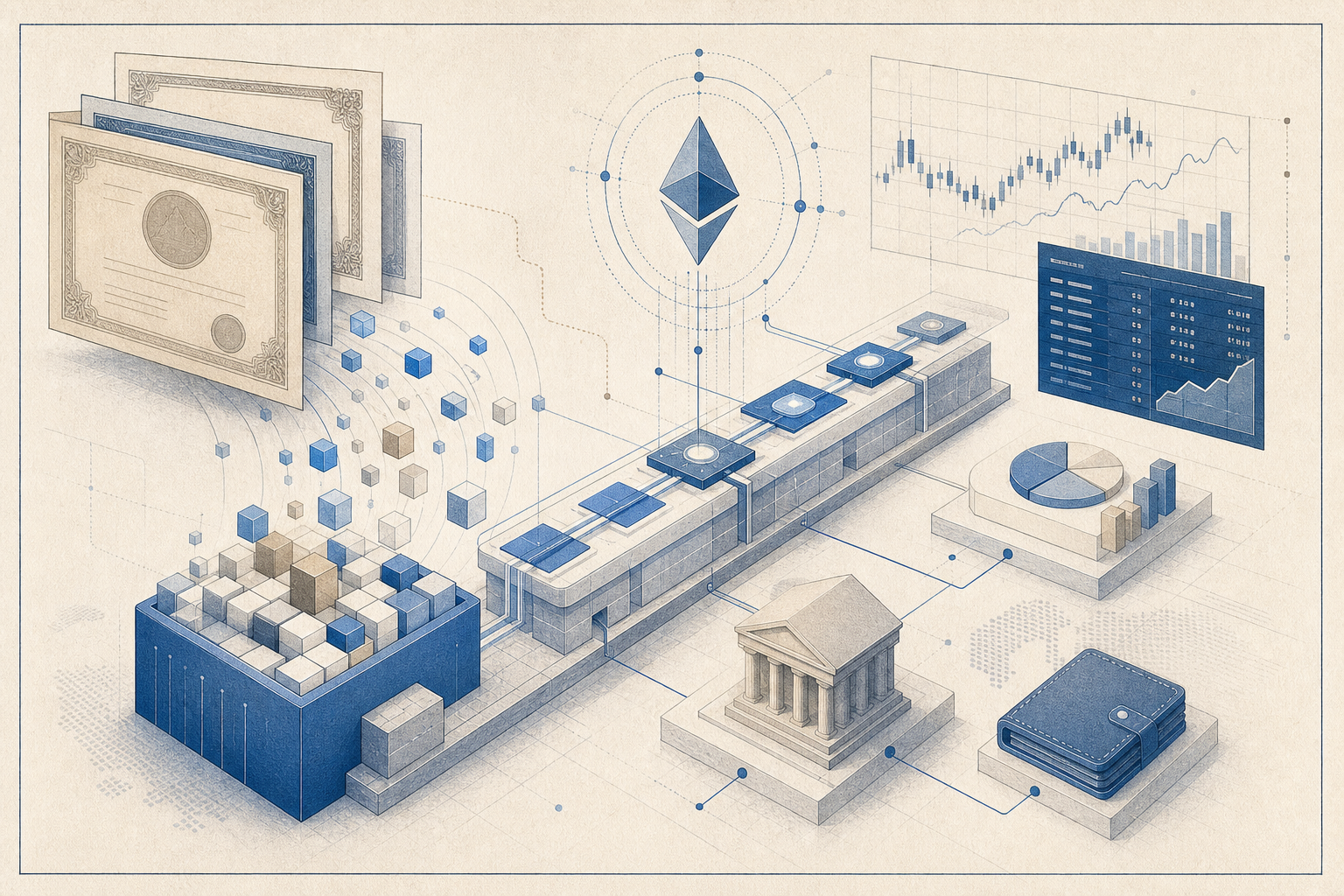
Coinbase has taken a meaningful next step in the onchain-equities push by putting Coinbase-issued tokenized stocks live on Base for eligible users outside the United States. The immediate announcement is about access to blue-chip shares in token form, but the bigger story is infrastructure. Rather than presenting tokenized equities as a synthetic trading product that only mirrors price exposure, the launch is being framed around direct claims on real shares, self-custodied ownership and integration with open-market crypto venues. That combination moves the discussion beyond marketing around 24/7 trading and closer to the harder question of whether listed equities can operate as programmable financial primitives on public blockchain rails.
According to Base’s launch details, each tokenized stock represents a share held by Alpaca, which the company describes as the regulated broker and custodian behind the product. Base said the first live names include fractional Apple and Nvidia exposure, and that eligible users can hold those positions in self-custody wallets rather than inside a conventional brokerage interface alone. The launch materials also describe a broader set of onchain actions around those assets: users can trade them on Aerodrome, deploy them into liquidity pools, and use them in lending workflows such as Aave-based collateral markets where available. Those details matter because they define the product as more than a tokenized receipt sitting passively in an account.
The direct-claim structure is the most important distinction. Tokenized equities have historically run into skepticism when they were structured as derivatives, offshore references or opaque IOUs that gave users price exposure without clear ownership rights. Base’s positioning is that these tokens map to actual shares held in regulated custody, which is what gives the product a stronger legal and economic foundation than older synthetic models. The rollout is still jurisdiction-limited and subject to identity checks, so this is not a borderless retail free-for-all. But by anchoring the tokens to custodial shares and restricting availability by market, Coinbase is signaling that it wants tokenized stocks to scale through a compliance-aware framework instead of treating securities rules as an afterthought.
Another notable element is the B20 token standard Coinbase says it is using for these assets. Base’s launch description says the standard is designed to process dividends and stock splits without forcing disruptive balance changes or breaking downstream DeFi positions. That sounds technical, but it is central to whether tokenized securities can be used in real financial applications. If a stock token cannot survive ordinary corporate actions without manual intervention, it stays stuck as a novelty wrapper. If it can absorb those events cleanly while continuing to function inside lending, market-making or index strategies, the token starts to look much closer to a durable onchain building block for portfolio construction.
Base’s own trading materials show the broader strategy behind the rollout. The network is pitching embedded trading, sub-cent settlement, self-custodial global accounts and asset tokenization as parts of a single product stack rather than separate experiments. In that framing, tokenized stocks are not a side quest for crypto users; they are one component of a larger effort to rebuild brokerage, liquidity and collateral management on open rails. The commercial logic is clear. If Coinbase can distribute tokenized equities through Base while routing users into onchain exchanges, lending venues and portfolio products, it can capture value across issuance, distribution, liquidity and application-layer activity instead of only earning from centralized spot trading.
The Alpaca connection is also relevant because it provides a more concrete bridge into traditional market plumbing. Alpaca’s public stock and ETF platform already supports broad U.S. equities coverage and fractional trading through API-based brokerage infrastructure. That does not automatically solve every open question around tokenized stocks, but it does show that Coinbase is not improvising the custody and execution layer from scratch. The model pairs a regulated brokerage back end with public-chain mobility on the front end, which is precisely the architecture many tokenized-equity projects have been trying to reach. In effect, Coinbase is testing whether familiar securities custody can coexist with always-on wallet-based distribution and DeFi-native utility.
The real test now is not whether tokenized stocks can launch, but whether they can sustain liquidity, clean redemptions and credible investor protections once real volume arrives. Tokenized equities have obvious appeal: they can trade outside legacy market hours, move into collateral loops quickly and reach users who already live in wallet-based financial systems. But long-term adoption will depend on spreads, depth, settlement reliability, corporate-action handling and the confidence that token holders can move back to the underlying share economy when needed. Coinbase has now put a concrete product in market. The next phase is proving that tokenized stocks on Base can behave like serious financial infrastructure rather than just another crypto wrapper around public equities.