CFTC frames tokenization as a market-structure upgrade, not a crypto side project
A new CFTC Treasury-market speech put tokenized collateral, stablecoins and 24/7 trading inside the same policy lane as clearing, margin and surveillance reform. The signal for RWA markets is that regulators are starting to treat onchain infrastructure as future market plumbing.
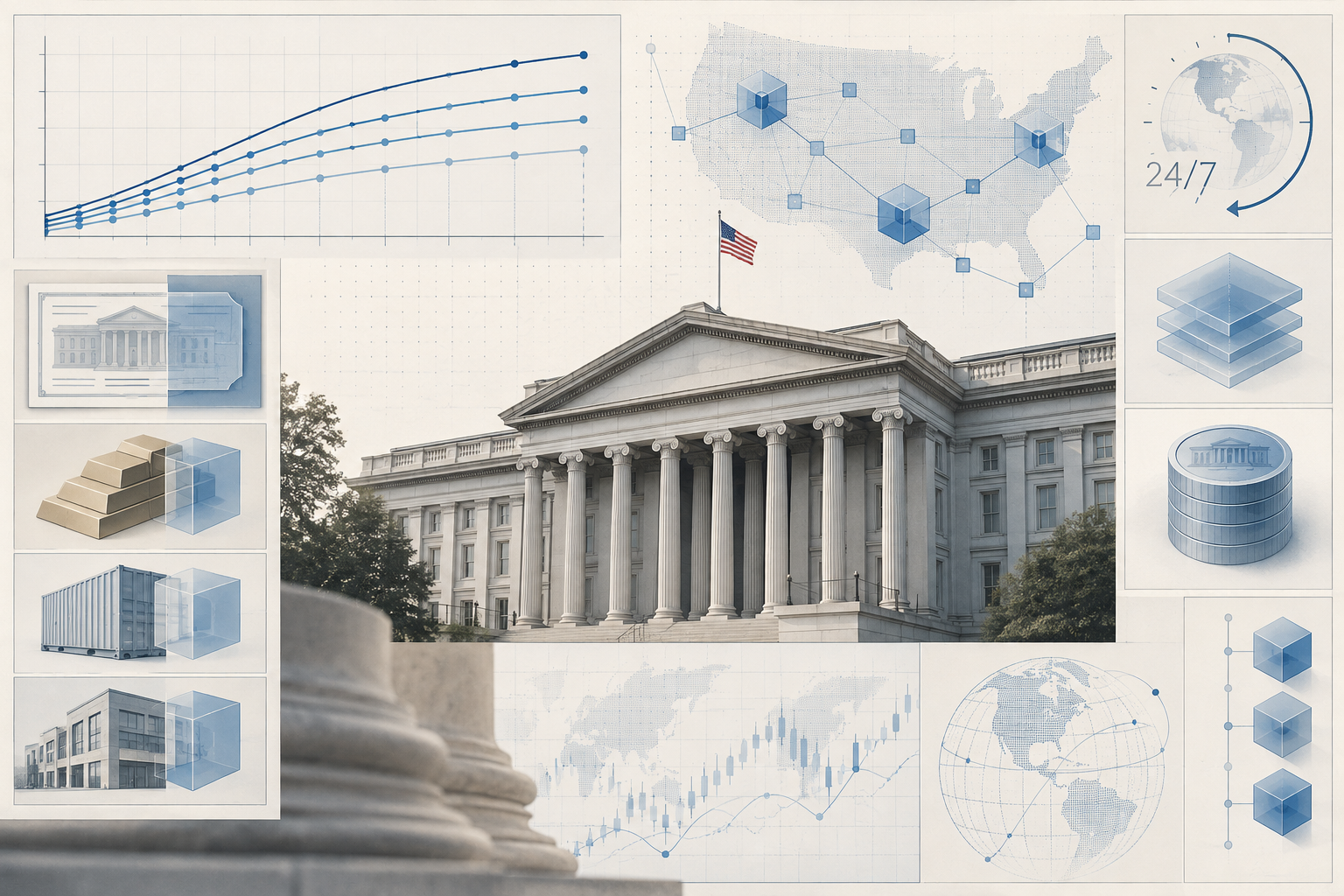
The U.S. derivatives regulator is putting tokenization closer to the center of market-structure policy, arguing that blockchains, stablecoins and continuous trading hours are becoming practical questions for core financial infrastructure rather than a separate crypto track. In a Sept. 22 keynote at the U.S. Treasury Market Conference, CFTC Chairman Michael S. Selig said markets need to prepare for “mass tokenization” and for a financial system in which onchain finance and 24/7 market access become more common.
The remarks matter because they were delivered in the context of Treasury-market resilience, not digital-asset promotion. Selig described the Treasury market as the foundation of global finance and tied the CFTC’s remit to futures, swaps, repo, clearing, collateral and cross-market surveillance. That framing places tokenized real-world assets inside the same operational stack as margin efficiency, liquidity movement and risk monitoring — the issues that determine whether institutional adoption can scale safely.
Selig’s clearest RWA point was that high-quality tokenized collateral could make liquidity more dynamic and markets more resilient. In practical terms, that means using digital representations of eligible assets to move collateral across clearinghouses, intermediaries and end users faster than legacy processes allow. The regulator’s stated objective is not simply faster settlement for its own sake, but a market design where collateral mobility, transparency and operational controls improve together.
The speech also connected tokenization to work already underway at the agency. Earlier this year, CFTC staff issued crypto-asset and blockchain FAQs for registrants and registered entities, building on prior guidance around tokenized collateral and digital assets accepted as margin. Those staff materials are narrow and technical, but they are important because they address the venues, clearing organizations and intermediaries that would need permissioned operational paths before tokenized collateral can become routine in regulated derivatives markets.
Stablecoins were treated as part of that same infrastructure conversation. Selig said payment stablecoins have a role to play in derivatives markets and noted that the agency has been addressing their use for market participants, exchanges and clearinghouses. For RWA markets, the stablecoin point is less about consumer payments and more about cash legs, margin flows and settlement windows. If tokenized securities or funds are expected to move faster, the cash and collateral rails around them need to keep pace.
The other major theme was continuous trading. The CFTC has sought public input on whether some futures products should be allowed to trade 24/7 and has issued staff guidance on trading, clearing and settlement operations that run around the clock. Selig emphasized that the agency does not view every asset class the same way: crypto and precious metals may be better suited to extended hours today, while agricultural, energy and some financial products may require more caution. That distinction is important because tokenized markets often inherit the expectation of always-on access, but traditional market safeguards still need scheduled liquidity, staffing, margin and surveillance support.
The policy direction also intersects with Treasury clearing reform. Selig pointed to cross-margining work between CME and the Fixed Income Clearing Corporation, as well as joint CFTC-SEC requests for comment on portfolio margining and cross-margining frameworks. Those efforts are not tokenization programs, but they show the same underlying priority: reduce duplicative collateral demands where risks are economically related, while improving visibility across connected markets. Tokenized collateral would eventually be judged against that same standard.
For builders and issuers in the RWA market, the takeaway is that regulatory attention is shifting from whether tokenized assets are novel to whether the operating model is robust enough for regulated markets. The questions now are more concrete: which assets qualify as high-quality collateral, which entities can custody or transfer them, how margin models update in real time, how surveillance works across venues, and how settlement failures are handled when markets are open continuously.
That does not mean a broad green light has arrived. The CFTC’s posture remains principles-based and cautious, and the details will depend on future rulemaking, staff positions and coordination with other regulators. But the speech gives a clear signal: tokenization is being evaluated as market infrastructure. The projects most likely to benefit are those that can prove operational resilience, clean asset backing, transparent redemption paths and compatibility with existing clearing and risk frameworks.