Visa launches stablecoin operating layer for institutional mint, redeem and treasury workflows
Visa is packaging wallet infrastructure, mint-and-burn access and operational controls into a single enterprise stack for stablecoin programs. The move positions the network as orchestration layer rather than issuer as institutions push deeper into programmable dollar flows.
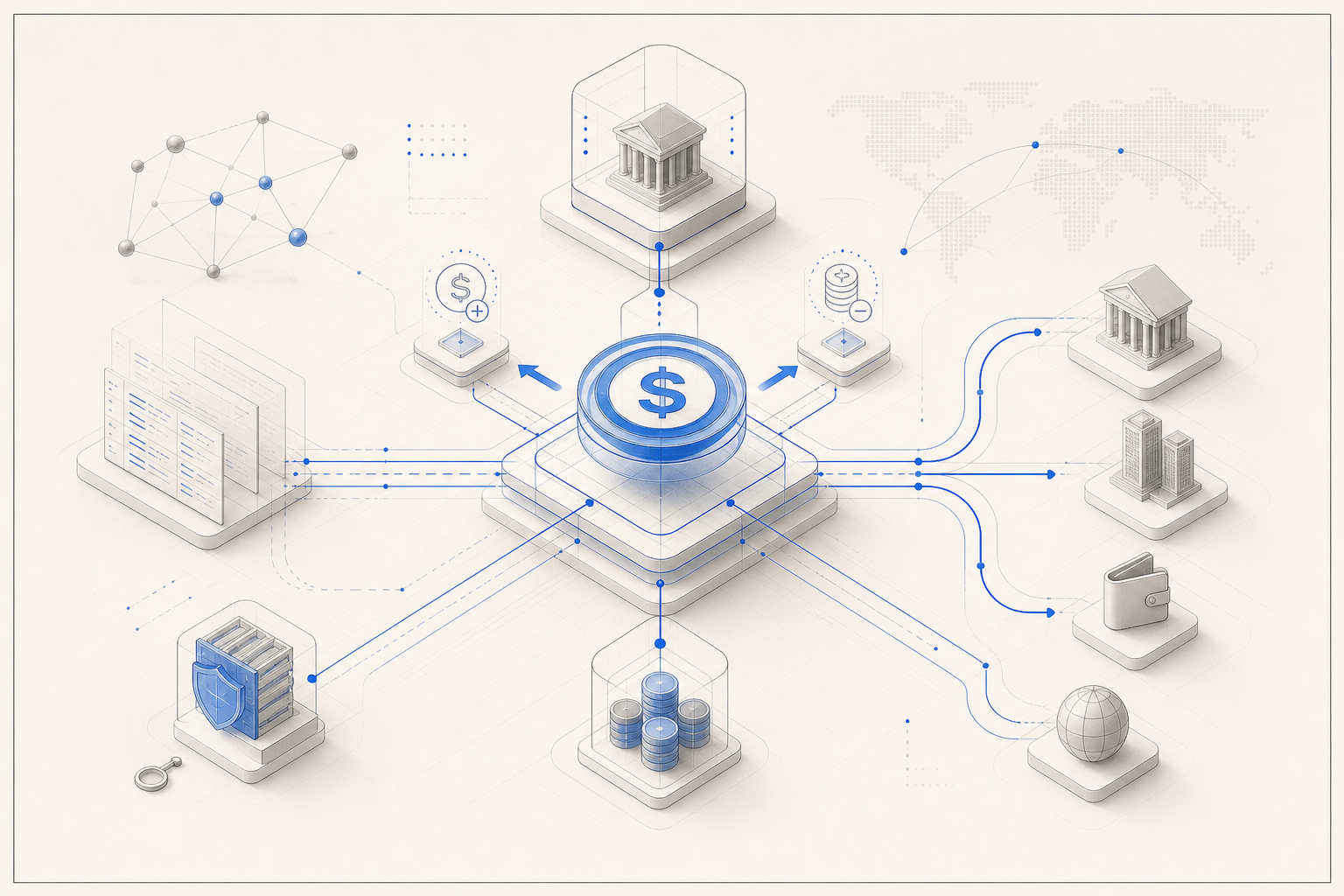
Visa has moved further from stablecoin experimentation into operating infrastructure. The company this week introduced the Visa Stablecoin Platform, a managed environment meant to help banks, fintechs and crypto-native firms run core stablecoin workflows from one place. Instead of presenting the product as another payments feature, Visa is framing it as the operating layer institutions need to actually issue, hold, move and redeem tokenized dollars in production. That distinction matters because the main bottleneck in institutional adoption is increasingly less about demand for stablecoins and more about the complexity of wallet security, mint-and-burn controls, treasury operations and compliance-grade workflow management.
Based on Visa’s release materials, the first version of the platform is built around a wallet-as-a-service component and connectivity for stablecoin minting and burning, beginning with Open USD. Visa says the environment is designed to give clients a single place to access, store and redeem stablecoins while using Visa-managed controls around operations. The company also says the platform includes features such as dual approvals for sensitive actions, which is a notable signal about its intended buyer. This is not a retail wallet product. It is infrastructure for institutions that need internal permissions, operational segregation and an auditable way to manage onchain money without building the entire stack from scratch.
That architecture fits Visa’s broader strategy in digital assets. On its stablecoin solutions pages, the company is already positioning itself across several layers of the market: card programs linked to stablecoin balances, settlement services, cross-border money movement and developer tooling. The new platform extends that posture by giving clients a controlled entry point into the onchain back office. In practice, that could make Visa more valuable to financial institutions that want to launch stablecoin products but do not want to assemble wallet custody, smart-contract interaction, treasury logic and payment connectivity from multiple vendors. Visa is effectively trying to become the middleware between regulated institutions and public blockchain settlement.
The strategic angle is also important. Visa is not trying to be the stablecoin issuer in this model. It is keeping to the role that made its card network powerful in traditional finance: define the operating environment, provide trusted rails, manage standards and let regulated counterparties supply the actual money product. That is a different posture from models where platforms try to own issuance economics directly. By centering mint, redeem and wallet operations while remaining interoperable with its other stablecoin products, Visa is betting that institutions will pay for coordination, controls and network reach even if the underlying token is issued elsewhere. For RWA and onchain finance, that is a meaningful development because operational standardization has been one of the key blockers to larger regulated flows.
The Open USD starting point is worth watching, but the bigger story is the control plane Visa is putting in place. If the product works as advertised, it gives issuers and payment providers a reusable framework for running treasury and settlement processes that would otherwise require bespoke engineering, security review and governance design. That matters for everything from enterprise disbursements to cross-border liquidity management and merchant settlement. It also helps explain why stablecoin infrastructure is beginning to look more like enterprise software than crypto market plumbing. The token is only one part of the stack; the real institutional sale is workflow reliability.
There are still open questions. Visa says the platform is initially in beta with select clients, which means the market has not yet seen how broadly it will support other stablecoins, what the exact commercial model looks like or how deeply the service abstracts away chain-level complexity. It also remains to be seen whether institutions prefer a Visa-managed environment over direct relationships with issuers, custodians and blockchain service providers. But the launch itself is a strong signal that large payment networks no longer see stablecoins as a side experiment. They see them as a product category that needs enterprise orchestration, policy controls and integration into existing money movement systems.
For the RWA market, that matters beyond payments. Tokenized funds, onchain cash products and programmable settlement assets all depend on reliable cash legs. The faster institutions can stand up compliant stablecoin treasury operations, the easier it becomes to connect tokenized securities, funds and collateral workflows to round-the-clock settlement. Visa’s new platform does not solve every regulatory or interoperability issue, but it does push one important piece of the market forward: the operating infrastructure that turns stablecoin interest into deployable institutional capability.