Tether’s Mercado Bitcoin investment expands the infrastructure race for tokenized finance in Latin America
Tether’s $20 million investment in Mercado Bitcoin is a bet on regulated onchain financial rails in Brazil rather than a narrow exchange equity stake. The move ties stablecoin capital directly to tokenization, payments and credit infrastructure in one of the region’s most active digital asset markets.
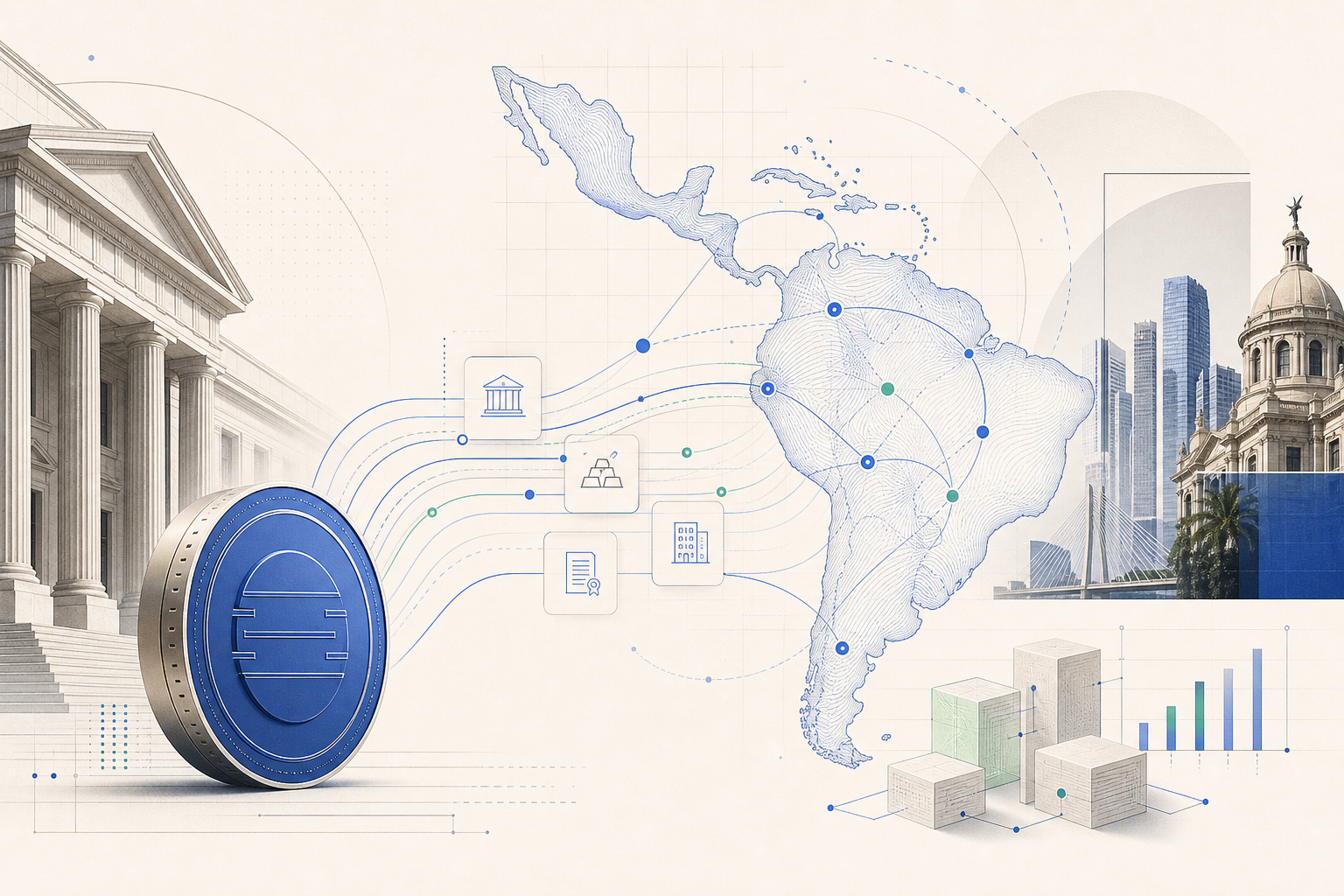
Tether’s decision to invest $20 million in Mercado Bitcoin is best read as an infrastructure move, not a simple portfolio allocation. The Brazilian platform already operates well beyond spot crypto trading, and the new capital is aimed at a broader stack that includes tokenized assets, stablecoin-based payments, lending, capital markets services and cross-border financial rails. In practical terms, the deal places one of the industry’s largest stablecoin issuers behind a regulated operator that has spent the past several years trying to turn tokenization into an everyday financial product for Latin American users and institutions.
According to Tether’s announcement, Mercado Bitcoin now serves 4.5 million users, has issued more than R$2 billion in tokenized assets, and operates with more than 10 licenses across Brazil and Europe. Tether framed the company as a full-stack onchain financial platform rather than an exchange, pointing specifically to payments, banking infrastructure, securitization capabilities and regulated investment products. That framing matters because it shows where Tether sees the next phase of growth: less in headline trading activity and more in the infrastructure that can support issuance, settlement and distribution of regulated digital financial assets at scale.
Mercado Bitcoin’s existing tokenization record gives the investment more substance than many strategic financing announcements in the sector. In a separate 2025 release tied to its work on the XRP Ledger, Mercado Bitcoin said it planned to tokenize more than $200 million in permissioned real-world assets, including fixed-income and equity-income instruments. That same release described the company as one of the world’s five largest private-credit tokenizers and said it had already tokenized more than R$1 billion in real-world assets with a zero-default track record. Even allowing for the natural promotional tone of corporate statements, those details indicate that Mercado Bitcoin is not entering tokenization from scratch; it is extending a business line that already has measurable issuance history.
The strategic logic for Tether is also straightforward. Stablecoin issuers increasingly need credible distribution, payment and capital-markets partners in jurisdictions where regulation is developing quickly and digital financial usage is already mainstream. Brazil fits that profile. It combines a large domestic market, strong digital payments adoption, an active regulatory perimeter and a growing institutional interest in tokenized assets. By backing a platform with licensing, local market access and existing issuance capacity, Tether gains a stronger route into the parts of finance where stablecoins can become settlement tools rather than just trading balances.
For Mercado Bitcoin, the financing could strengthen several adjacent businesses at once. Stablecoin payments can reinforce brokerage and treasury workflows; tokenized credit and securitized products can deepen platform inventory; and cross-border services can connect local issuance to offshore investors more efficiently than legacy rails allow. The company has already worked with Ripple on cross-border treasury flows between Brazil and Portugal and has participated in the listing of RLUSD on its exchange, which suggests it is comfortable operating as a multi-issuer, multi-rail venue rather than aligning itself to a single network or token sponsor. Tether’s capital therefore looks less like a narrow commercial partnership and more like a vote for Mercado Bitcoin as regional financial plumbing.
The larger RWA implication is that Latin America is becoming an execution market for tokenization, not just a narrative market. The region’s opportunity is not only about putting local assets onchain; it is about combining regulated issuance, consumer payment behavior and cross-border demand in one operating environment. If Mercado Bitcoin can use new capital to expand tokenized products while embedding stablecoin settlement more deeply into the user experience, it could become a model for how RWA platforms in emerging markets scale beyond isolated pilots. That is a more important signal than the headline check size on its own.
The test from here is operational rather than symbolic. Investors will want to see whether the financing produces more primary issuance, broader institutional distribution, higher payment throughput and cleaner integration between tokenized products and stablecoin rails. If those pieces start moving together, Tether’s investment will look like an early stake in a regional market structure shift. If not, it risks becoming another strategic crypto investment that sounded larger than its downstream effect. For now, the evidence supports the stronger interpretation: Tether is backing a platform that already has meaningful tokenization and regulatory infrastructure, and it is doing so in a market where onchain finance is starting to look commercially durable.