Stablecoin competition is shifting from token issuers to the wallets and platforms that control distribution
A new Visa stablecoin operating stack and Samsung’s wallet ambitions point to the next battleground in digital dollars: not just who issues the token, but who owns the software, approvals and consumer touchpoints around it. That matters for RWA markets because stablecoins increasingly function as the cash layer for tokenized finance.
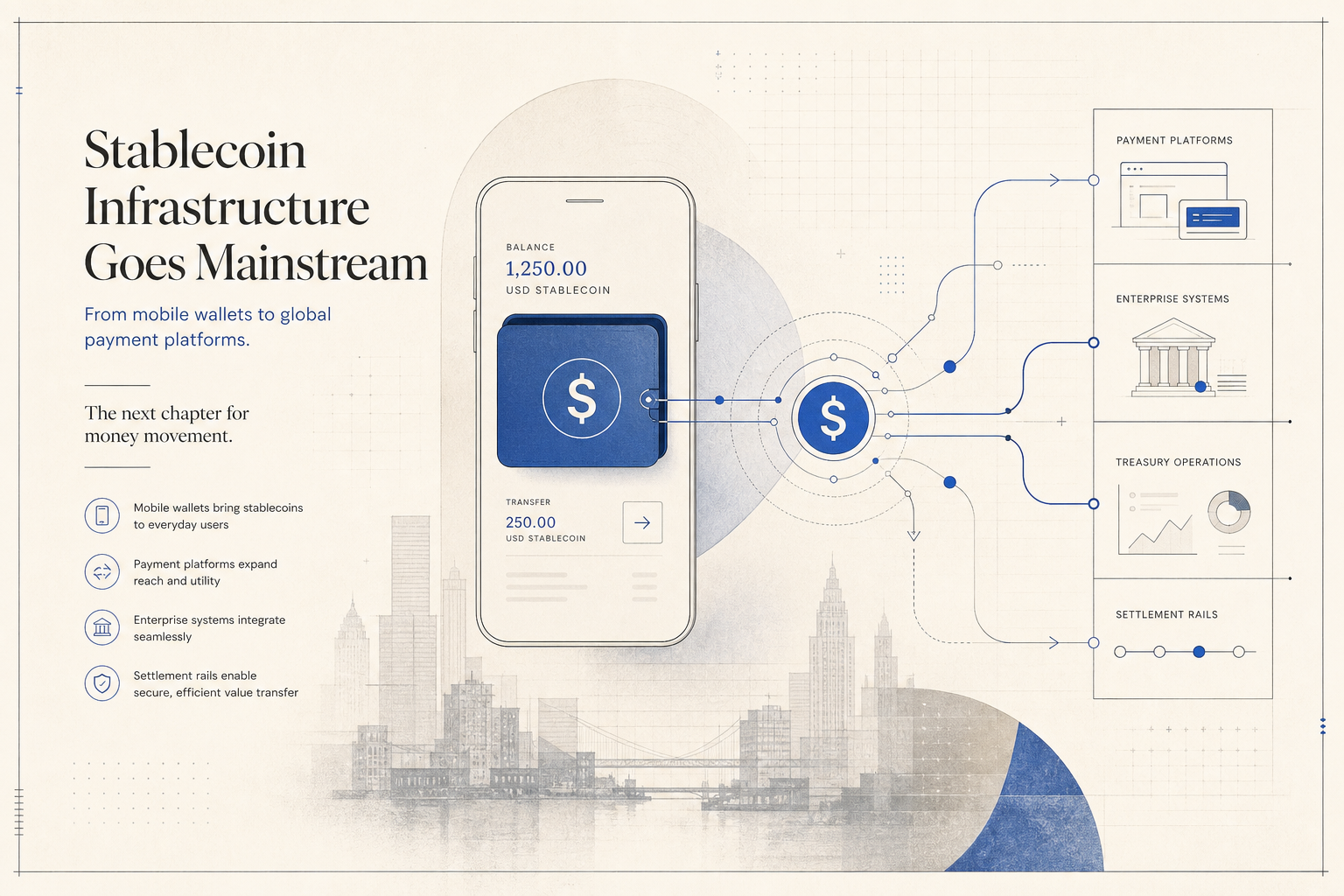
The latest wave of stablecoin announcements suggests the market is moving into a different phase. For the past several years, most of the attention has gone to issuers, reserve composition and regulatory treatment. This week’s developments point somewhere else. The more important contest now appears to be over distribution: which companies sit between users and the token, manage the operational controls, and make stablecoin balances usable inside familiar financial products. In practical terms, that means wallets, payment networks, treasury software and consumer-finance interfaces may matter as much as the dollar token itself.
Visa’s July 16 launch of the Visa Stablecoin Platform is a clear example of that shift. In its release, Visa said the new platform is designed to give financial institutions, fintechs and crypto-native firms a single managed environment for stablecoin minting, movement and administration. The company said the initial rollout begins with Open USD and includes wallet infrastructure, bank-account connectivity and controls around how firms operate the system. Visa also described workflow features such as approval policies, audit logging, secure passkeys and transfer allow lists. That is notable because it moves the conversation above the blockchain settlement rail and into the operating layer that regulated institutions actually need before they can launch products at scale.
Samsung’s wallet roadmap points to the same conclusion from the consumer side. At the company’s Galaxy Unpacked event, Samsung product specialist Lee Dinham said Samsung Wallet will add native stablecoin functionality, framing it as a way to enable trusted digital-value transfers inside a broader financial experience. Two days earlier, Samsung had introduced its first Galaxy Card, issued by Barclays on the Visa network, with rewards tied directly into Samsung Wallet. On Samsung’s own product pages, the company already presents Wallet as a hub for payments, installment features, peer transfers, credentials and digital keys. Adding stablecoin support to that environment would not create a standalone crypto product; it would embed digital dollars inside an app that Samsung is already positioning as an everyday financial container.
That makes the Samsung signal more significant than a headline about one handset maker experimenting with crypto. It shows how stablecoins can be absorbed into an existing mobile-finance stack rather than marketed as a separate destination for power users. Samsung has already spent the last year expanding the wallet’s financial surface area, and earlier integrations with Coinbase created a bridge between Galaxy payment tools and crypto access. If stablecoin transfers become native inside that same interface, the user relationship belongs less to the issuer and more to the platform that controls onboarding, user experience, security settings and cross-product distribution.
This is why the strategic center of gravity is shifting away from token creation alone. Issuers such as USDC and USDT still matter because liquidity, redemption reliability and market acceptance remain foundational. But distribution layers can capture a different kind of power: they decide which tokens are easiest to access, which approval flows institutions adopt, how treasury teams reconcile movements, and how retail users encounter stablecoins in normal commerce. A managed operating stack from Visa and a consumer wallet expansion from Samsung are different products, but both point to the same prize. The winner may be the company that turns stablecoins from an onchain asset into a default money feature inside existing software.
The regulatory backdrop still limits how fast that transition can happen. The CLARITY Act text has advanced in Congress, but the broader market-structure debate is not settled and the Senate timeline remains uncertain. At the same time, the Financial Action Task Force has continued to push jurisdictions toward stronger anti-money-laundering controls for virtual-asset activity, noting that 99 jurisdictions have passed or are in the process of passing Travel Rule legislation. FATF also warned that illicit use of stablecoins continues to rise, which means broader adoption is likely to arrive with tighter expectations around licensing, monitoring and cross-border transparency rather than with a hands-off policy regime.
For RWA markets, that matters because stablecoins increasingly function as the cash leg of tokenized finance. Tokenized treasuries, private-credit pools, fund subscriptions and secondary-market settlements all work better when the dollar side of the transaction can move onchain with low friction and clear operational controls. If large payment networks, device ecosystems and enterprise platforms make stablecoin usage easier for institutions and consumers, that can strengthen the surrounding infrastructure that tokenized asset markets depend on. In that sense, mainstream wallet and platform adoption is not a side story to RWA growth; it is part of the plumbing that makes the category easier to use.
The open question is whether these integrations produce real daily utility or just better demos. Card payments, bank transfers and treasury systems already solve many of the problems stablecoins claim to address. To win durable share, the new wallet and operator layers will need to show that programmable dollars are not just available, but measurably better for settlement speed, interoperability, treasury visibility or cross-platform commerce. What changed this week is that the competition no longer looks confined to crypto issuers. It increasingly looks like a fight over who owns the software layer that turns digital dollars into a mass-market financial product.