SpaceX tokenized share refunds show where pre-IPO RWA access still breaks down
Refunds issued after failed SpaceX token allocations exposed a core weakness in tokenized pre-IPO distribution: price exposure is easier to manufacture than guaranteed access to scarce underlying shares. For RWA platforms, the episode is a reminder that fulfillment mechanics matter as much as user demand.
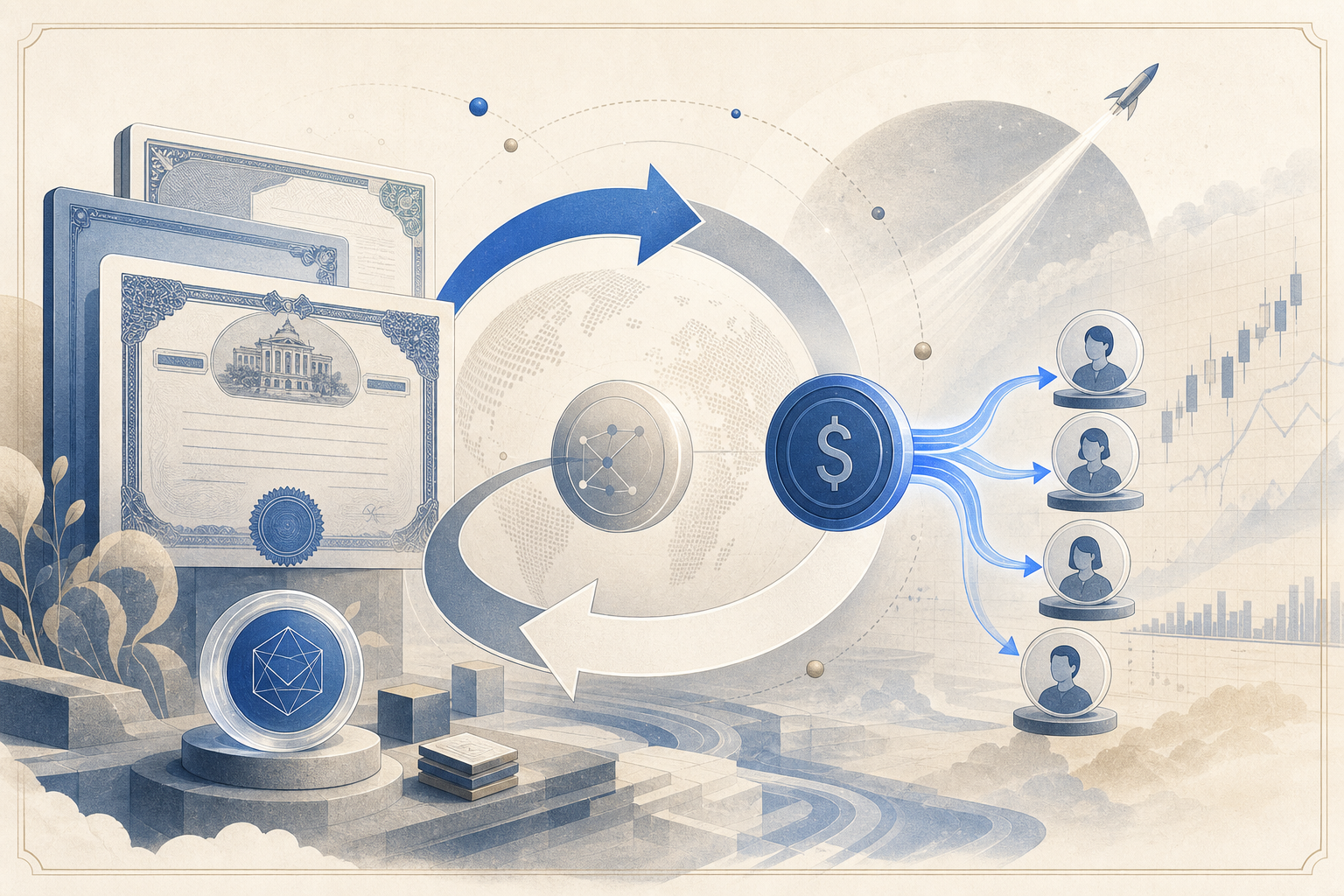
The unwind of several SpaceX token subscription campaigns on Friday offered a useful reality check for tokenized private-market products. After heavy demand ahead of SpaceX's blockbuster market debut, crypto platforms including Bybit and Bitget told users they would not receive the expected allocations tied to the company's tokenized pre-IPO shares. The reason, according to exchange statements and comments attributed to xStocks, was straightforward: the underlying shares could not ultimately be delivered in the size that users had subscribed for. In an RWA market that often highlights access and speed, this was a reminder that tokenization does not erase the hard problem of sourcing and allocating real securities.
The clearest evidence came from the platforms themselves. Bybit said no SpaceX allocations were received because xStocks was unable to deliver the underlying assets, and it said subscription funds would be automatically refunded to users. Bitget Wallet issued a similar notice, saying it could not secure and distribute the allocated SPCXx for the IPO despite xStocks' efforts. xStocks also said participants affected by unfilled orders had their funds returned. Taken together, those statements point to an allocation failure rather than a payment or wallet failure: the bottleneck was not token delivery mechanics onchain, but the availability of the underlying shares that were supposed to support the campaign.
That distinction is important because pre-IPO token access and post-listing tokenized trading are operationally very different products. Once a market exists and a reference price is visible, platforms can often build synthetic or secondary-market exposure more easily than they can guarantee primary allocations in a tightly controlled event. A pre-IPO campaign, by contrast, depends on actual share availability, allocation rights, timing, custody arrangements and the legal ability to pass exposure through to end users. Demand can be global and instantaneous, while the supply chain behind the instrument remains negotiated, scarce and subject to issuer and intermediary constraints. The SpaceX refund episode showed exactly where those two worlds can stop lining up.
It also highlights why disclosure language matters so much in tokenized-equity products. Many users hear "tokenized shares" and assume that subscription implies a reliable path to the underlying security. In practice, several of these structures are conditional products where final fulfillment still depends on external counterparties and offchain inventory. That does not make them illegitimate, but it does mean platforms need to be precise about whether users are buying direct ownership, contingent allocation rights, or price exposure that may settle differently if inventory falls short. In this case, funds were returned, which is better than forcing users into a mismatched substitute, but the episode still exposes how easy it is for demand-side marketing to outrun operational certainty.
The market response also suggests tokenized private-equity infrastructure is entering a more exacting phase. xStocks said the associated SpaceX token remained available to trade after the debut even though the IPO allocation campaign was not fully fulfilled. That split outcome is revealing. Secondary trading or reference-price exposure can continue, but primary distribution remains the harder institutional problem because it requires dependable access to the real-world asset at the heart of the wrapper. RWA products are strongest when the chain of rights, inventory and settlement is boringly dependable. When the asset is scarce and event-driven, the weak point tends to show up before the token ever reaches the user's wallet.
For issuers, exchanges and distribution partners, the lesson is not that tokenized equities are unworkable. It is that private-market tokenization needs stronger expectations management and more visible proof of fulfillment readiness before mass campaigns begin. Allocation waterfalls, backing arrangements, refund rules and compensation terms should not sit in the background when demand is being marketed to retail users. If platforms want tokenized equities to be treated as durable capital-markets products rather than speculative wrappers, they need to show that subscription, allocation and settlement logic are as robust as the trading interface.
The broader RWA takeaway is that pre-IPO access remains one of the most attractive and one of the most operationally fragile corners of the market. SpaceX drew intense attention because it combined a globally recognizable issuer with crypto-native distribution rails and the promise of earlier participation. But the same ingredients that make these launches popular also magnify execution risk when inventories are tight. Friday's refunds did not kill the tokenized-equity thesis. They did, however, make one point harder to ignore: onchain distribution can scale overnight, but the credibility of the product still depends on whether the offchain asset pipeline can keep up.