Samsung Signals Stablecoin Ambitions for Wallet Layer
Samsung says Samsung Wallet will add stablecoin support, extending the app from cards, IDs and rewards into blockchain-based value transfer. The announcement matters because it pushes stablecoin distribution closer to the mobile operating-system layer, even as asset selection, partners and launch timing remain open questions.
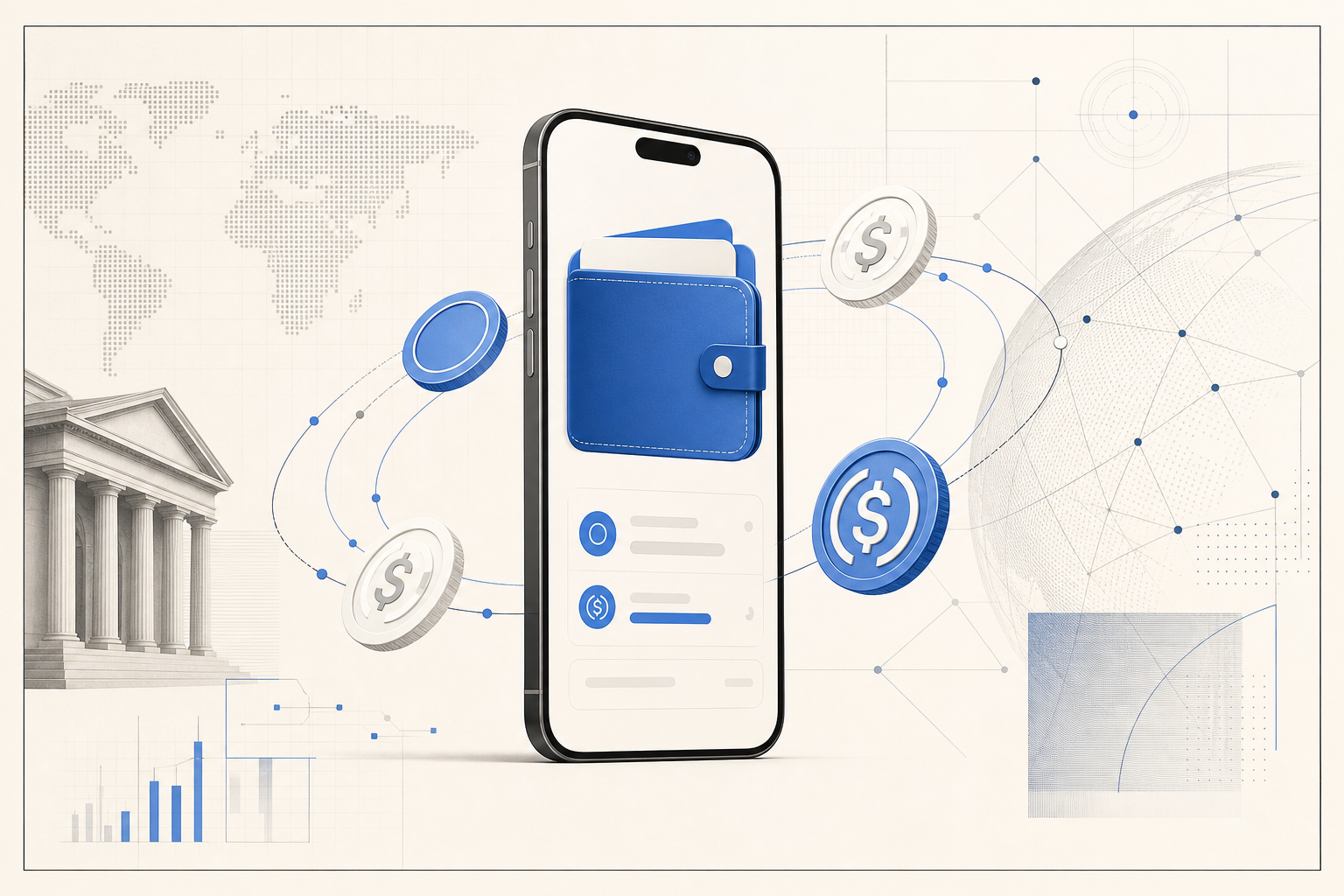
Samsung Electronics has signaled that stablecoins are moving from crypto-native apps toward the consumer wallet layer built into mainstream smartphones. During this week’s Galaxy Unpacked presentation, Samsung said Samsung Wallet is set to add stablecoin support as part of a broader effort to combine payments, rewards and digital assets inside one mobile experience. The announcement did not include a launch date, a list of supported tokens or the names of banking and blockchain partners, but the direction is clear: Samsung wants the wallet on its devices to hold more than cards and credentials, and that makes the news relevant well beyond handset strategy.
The statement matters because Samsung Wallet already sits in a privileged position on the device. On Samsung’s own product pages, the company describes the app as a place to store payment cards, identification cards, keys, boarding passes and logins, while also supporting tap-to-pay and money movement features in some markets. That installed position changes the significance of any stablecoin feature. If a user can hold and move stable-value tokens from the same interface used for daily payments and identity credentials, the stablecoin experience becomes less dependent on separate exchange apps and more tied to the phone’s native financial workflow.
Samsung has been building toward that outcome in stages rather than through a single crypto launch. Last year the company expanded crypto-buy functionality for Galaxy users through a Coinbase integration, giving the wallet a direct bridge into digital-asset access for U.S. customers. This week it also broadened its payments push with the launch of Samsung Galaxy Card, a co-branded credit product issued by Barclays on the Visa network. Read together, those moves suggest Samsung is constructing a broader financial-services stack around the wallet: card issuance, rewards, merchant checkout, peer-style transfers and now prospective stablecoin support.
What remains unknown is just as important as what Samsung confirmed. The company has not said whether the initial rollout will focus on dollar stablecoins, regional fiat-backed tokens or a limited list tied to specific jurisdictions. It also has not described whether stablecoins will be used primarily for stored balance, merchant checkout, transfers between users or cross-border payments. Each of those paths carries different operational requirements around custody, compliance, disclosures and settlement. A phone maker can announce support for digital value, but the practical user experience still depends on banking rails, reserve transparency, wallet controls and regional licensing.
From an RWA perspective, the announcement is notable because it moves stablecoins closer to a distribution channel with mass consumer reach rather than specialist investor reach. Much of the recent stablecoin conversation has centered on issuers, exchanges and payment companies. Samsung introduces another angle: the operating-system and device layer. If stablecoins become a native wallet object on premium smartphones, the competitive battleground shifts toward interface quality, embedded identity, device security and how easily tokenized cash can interact with everyday commerce. That is a different adoption curve than the one driven by trading platforms.
The strategic upside for Samsung is straightforward. A wallet that combines payments, loyalty, financing and digital assets can raise engagement and create more reasons for users to remain inside Samsung’s ecosystem. The upside for stablecoin issuers is also obvious: native placement on a handset used for daily spending could compress the distance between issuance and end-user utility. But those benefits will only materialize if Samsung can make the feature legible to ordinary users. Stablecoins that feel like obscure crypto balances will not have the same effect as stablecoins presented as fast, low-friction digital cash integrated into familiar wallet actions.
For now, the prudent read is that Samsung has opened a credible new consumer distribution path without yet proving execution. The company has confirmed intent, and its recent wallet and card expansions show that the surrounding payments architecture is getting deeper. The next milestones to watch are concrete ones: which stablecoins Samsung names, where support launches first, whether transfers or checkout come before stored balances, and what compliance structure sits underneath. Until those details arrive, this remains an important signal rather than a completed product rollout—but it is the kind of signal the stablecoin market has been waiting for from a global device platform.