Robinhood pushes tokenized equities closer to full-stack market structure with Chain mainnet launch
Robinhood has moved beyond packaging stock-linked exposure inside a closed app and is now tying tokenized equities to its own public blockchain infrastructure. The mainnet launch matters because it combines issuance, wallet distribution, DeFi venues and legal wrapper design in one RWA stack.
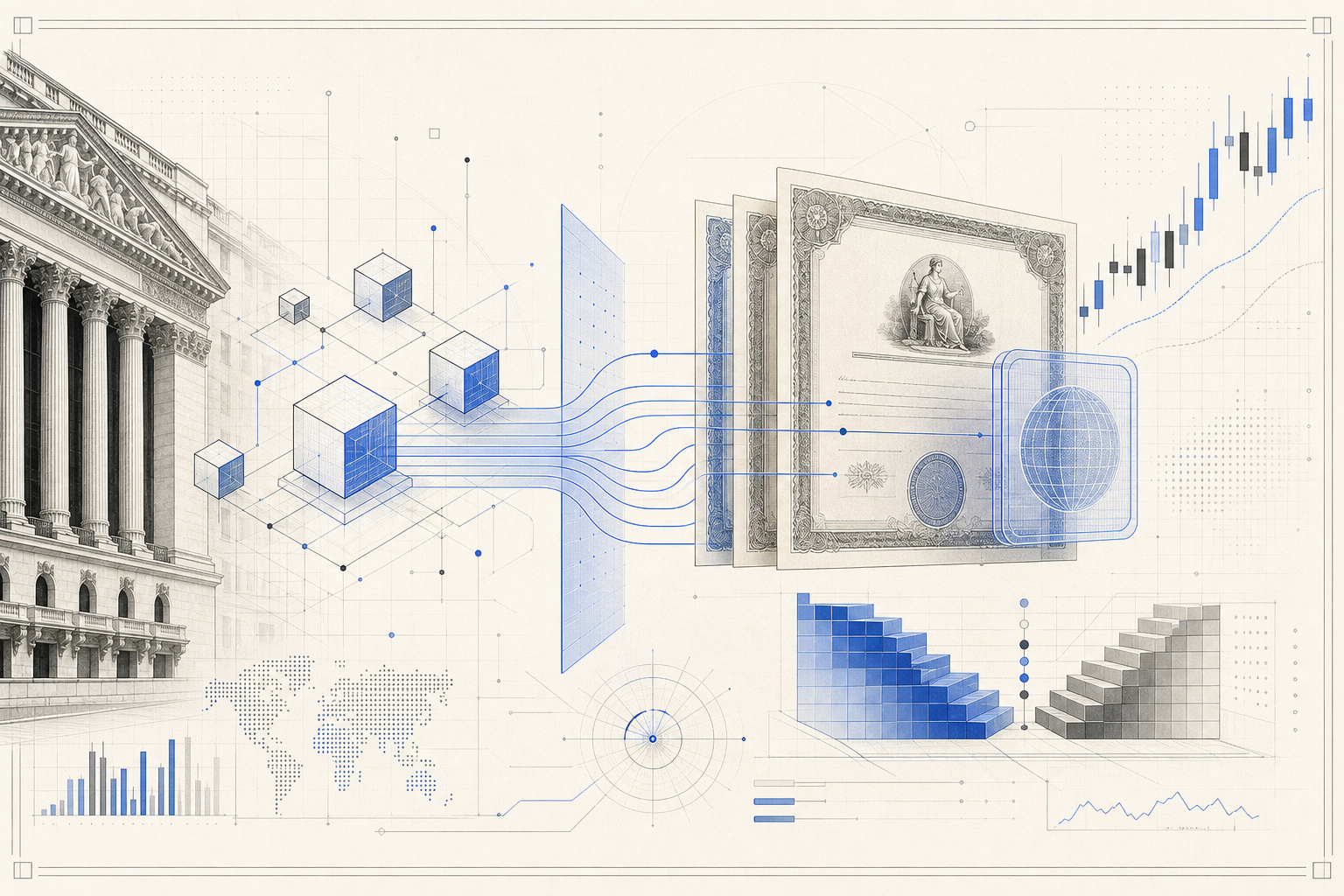
Robinhood’s decision to put Robinhood Chain on public mainnet alongside a new stock-token product is a meaningful signal that tokenized equities are moving out of demo mode and into platform strategy. The company is not simply listing another synthetic instrument inside a closed app. It is pairing a permissionless Layer 2 network with a distribution model that pushes stock-linked exposure into wallets, decentralized exchanges and broader onchain collateral flows. That matters because the next phase of RWA markets will be shaped less by headline token launches than by whether large retail-finance platforms are willing to make tokenized assets part of their core infrastructure.
Robinhood’s own launch materials make clear that the chain is being positioned as financial plumbing, not a side experiment. The company says Robinhood Chain is a permissionless Layer 2 built on the Arbitrum stack for financial services and tokenized real-world assets, with day-one ecosystem support that includes Uniswap and Pleiades as liquidity venues and integrations from Alchemy, BitGo and Chainlink. That combination suggests Robinhood wants to solve two problems at once: give developers a chain environment tailored to asset issuance and trading, and make sure the market opens with enough familiar infrastructure for wallets, liquidity routing, custody and data services to function from the start.
The stock-token component is where the RWA implications become more concrete. According to Robinhood’s July 1 launch announcement, the new Stock Tokens are available through Robinhood Wallet in more than 120 countries, subject to jurisdictional limits, and are designed to support 24/7 trading directly on Robinhood Chain. Robinhood also says the tokens can become productive onchain through uses such as lending pools and trading collateral. That is a notable design choice. Instead of treating tokenized equities as static wrappers that merely mirror offchain prices, Robinhood is explicitly linking them to DeFi-style utility, which is where many earlier tokenized-stock efforts struggled to gain durable traction.
At the same time, Robinhood is being unusually explicit about the legal structure. On its chain and investment pages, the company distinguishes between its older Classic Stock Tokens in the European app and the newer token product tied to the chain rollout. It says the new Stock Tokens are tokenized debt securities issued by Robinhood Assets (Jersey) Limited, and that holders get economic exposure to underlying securities without legal or beneficial ownership rights in those underlying shares. That disclosure is important because it shows how far the market still is from simple one-token-one-share models. The user experience may look like equity trading, but the legal and risk architecture remains closer to structured exposure than direct securities ownership.
That distinction does not weaken the story; it sharpens it. The real test for tokenized equities is not whether the wrapper is philosophically pure, but whether the product can clear compliance, distribution and liquidity hurdles while still delivering a better market experience than incumbent brokerage rails. Robinhood already has one valuable advantage here: a large retail brand that can bridge traditional user acquisition and onchain product adoption. Its existing European offering gives eligible users access to more than 2,000 Classic Stock Tokens linked to U.S.-listed stocks and ETPs with extended trading hours. The new chain-based launch builds on that base instead of starting from zero.
From an RWA market-structure perspective, the most interesting feature is continuous tradability combined with composability. If a tokenized equity instrument can trade around the clock, settle onchain and then move directly into lending, liquidity or collateral workflows, it starts to behave less like a broker database entry and more like a programmable capital-markets primitive. Robinhood’s mention of access through venues such as Uniswap, Rialto, Lighter, Arcus and 1inch reinforces that ambition. The open question is whether those venues can support deep enough liquidity, reliable price formation and disciplined risk controls once tokenized equity flows become meaningfully larger.
There are also clear constraints. Robinhood’s own disclosures stress that availability varies by jurisdiction, that the product does not provide shareholder rights, and that the offering is subject to securities-law and prospectus conditions. Those caveats are not window dressing; they define the perimeter of what tokenized equities can be today. For institutions and regulators, the launch is a reminder that market access, investor protections and enforceable issuer obligations remain central even when the trading surface shifts onchain. For DeFi builders, it is a reminder that composability with regulated instruments will always be gated by issuance design and legal wrappers.
Even with those limitations, Robinhood’s rollout qualifies as one of the more consequential tokenized-equity launches of the year because it joins issuance, distribution, wallet access, trading venues and chain infrastructure inside one operating model. That integrated approach is what many RWA projects have lacked. If Robinhood can turn stock tokens into liquid, trusted and reusable onchain instruments, it will do more than expand crypto product inventory; it will push tokenized securities closer to becoming a mainstream interface for global market access. If it cannot, the industry will learn that getting RWAs onchain is still easier than building the full-stack market structure needed to keep them there.