Ripple Opens XRPL Tooling for Agentic Payments With XRP and RLUSD Support
Ripple has packaged a concrete developer path for machine-to-machine payments on the XRP Ledger, combining new AI-focused tooling with support for X402 payment flows using XRP and RLUSD. The release stands out because it turns broad agentic-payments rhetoric into actual docs, integrations and settlement paths that builders can test today.
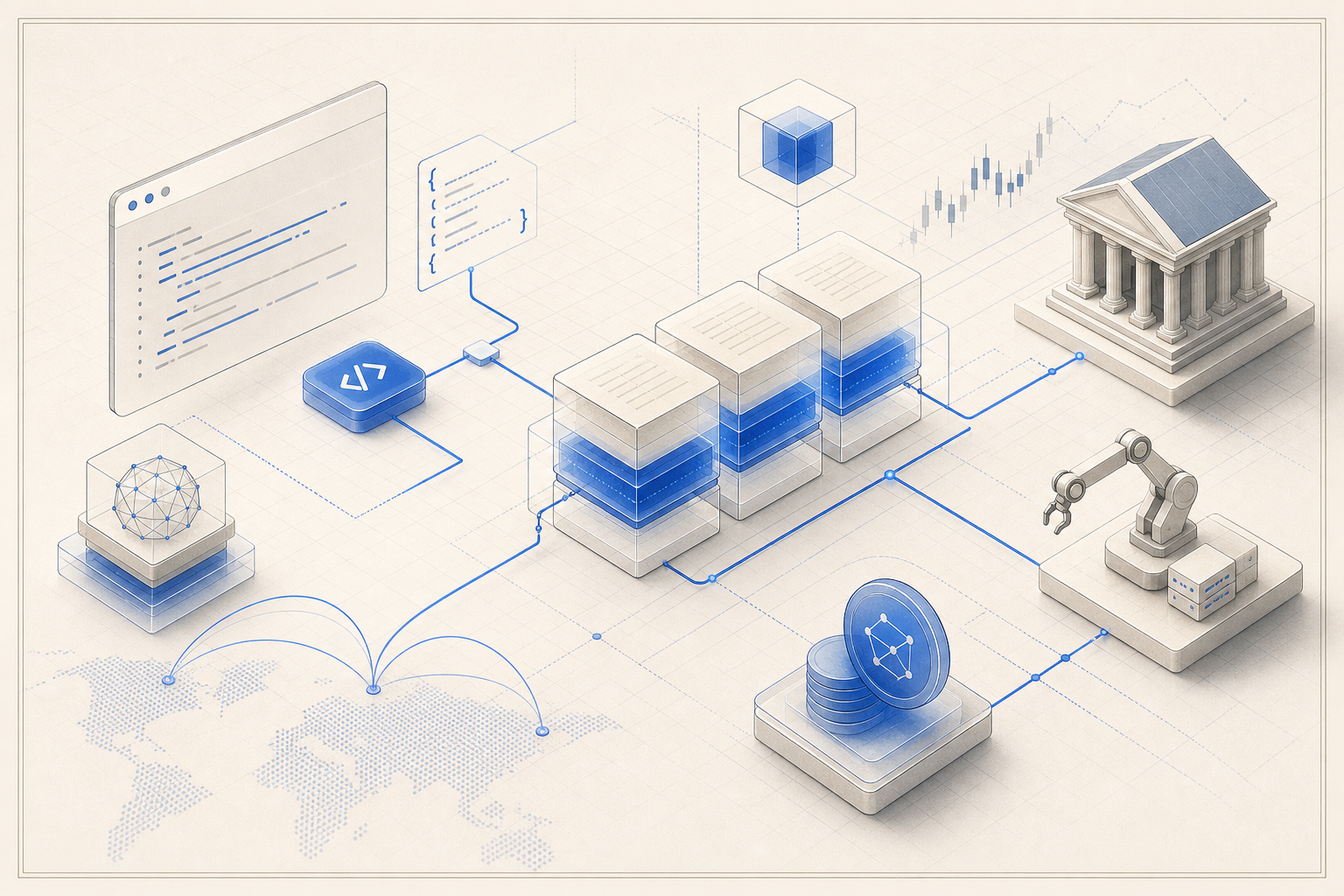
Ripple has moved the agentic-payments conversation a step closer to implementation by releasing an XRPL AI Starter Kit aimed at developers building autonomous payment flows on the XRP Ledger. The package is designed for software agents that need to pay for services, settle value and move between tasks without waiting for a human approval loop. In RWA terms, this is the kind of infrastructure story that matters more than slogans: the industry keeps talking about machine-to-machine commerce, but production adoption depends on real documentation, payment rails and predictable settlement behavior that developers can work with immediately.
Ripple’s own announcement provides the operational details. The launch is rolling out in phases and begins with an XRPL documentation MCP server, Claude-oriented wallet and payment skills, new XRPL documentation pages for agentic transactions, and support for X402-powered payments through a contribution from partner t54. Ripple said agents can use that setup to pay for API calls, AI model inference and other digital services using either XRP or RLUSD, its dollar-backed stablecoin. That is a more concrete delivery package than many recent agentic-commerce announcements, which have tended to stop at strategy language.
The technical pitch is straightforward. Ripple argues that autonomous systems need rails that settle quickly, behave predictably and do not require manual exception handling at every step. Its product materials highlight several XRPL characteristics that fit that requirement: transaction finality in seconds, relatively stable fees, native payment functionality and protocol-level support for multi-currency transfers. The XRPL documentation also positions agentic transactions as a use case that depends on deterministic outcomes rather than ambiguous pending states. For software agents operating on budget limits or task deadlines, that matters because a payment rail with variable fees or uncertain confirmation behavior can break otherwise workable automation.
The x402 connection broadens the significance of the launch beyond the XRP ecosystem. Coinbase introduced x402 as a way to revive the web’s unused HTTP 402 “Payment Required” response and turn it into an open standard for stablecoin payments over ordinary web requests. The x402 site describes a simple server pattern: if a client requests a paid resource without payment attached, the server returns HTTP 402, the client pays, and then retries the request. Ripple’s decision to add X402 support for XRP and RLUSD means XRPL developers are being given a route into an emerging interoperability layer for API monetization and agent commerce rather than being boxed into a single proprietary flow.
That matters for real-world asset systems because tokenized finance does not only require programmable securities; it requires programmable operational cash movement around those securities. Autonomous payments could be relevant anywhere an RWA workflow depends on metered access to services, whether that is market data, reporting infrastructure, compliance tooling, identity checks or machine-driven treasury actions. Stablecoins are often the preferred accounting unit for those tasks, while a fast network asset can handle liquidity movement and exchange-path logic. Ripple is effectively making the case that XRPL can sit inside that operational layer by pairing XRP’s payment functionality with RLUSD for dollar-denominated settlement use cases.
The launch should still be understood as a builder enablement step, not proof of demand at scale. Developer kits reduce integration friction, but they do not guarantee merchant acceptance, wallet standardization, enterprise policy controls or broad third-party usage. RLUSD adoption specifically will depend on whether developers and service providers want a Ripple-associated stablecoin in their payment stack, and whether counterparties are comfortable with the associated custody and compliance paths. Even so, reducing the time from concept to working prototype is often what determines which payment rails get tested first in a new market category.
The more important takeaway is that the agentic-payments stack is becoming tangible. Ripple is no longer only arguing that AI agents will need blockchain-based settlement; it is putting forward tools, reference flows and supported payment assets that developers can use right now. For RWA infrastructure builders, that is the relevant benchmark. The next phase to watch is whether XRPL-based teams turn these primitives into production services for recurring API payments, tokenized-asset operations and cross-platform machine commerce. If they do, the winning rails may be the ones that combine stable value, predictable execution and the lowest integration overhead rather than the ones with the loudest narrative.