Plasma One turns stablecoin banking into a consumer product without becoming a bank
Plasma One packages card spending, cross-border transfers and onchain yield into a single stablecoin app. The launch matters because it tests whether consumer-facing digital-dollar products can feel familiar while still exposing users to clearly disclosed crypto and DeFi risks.
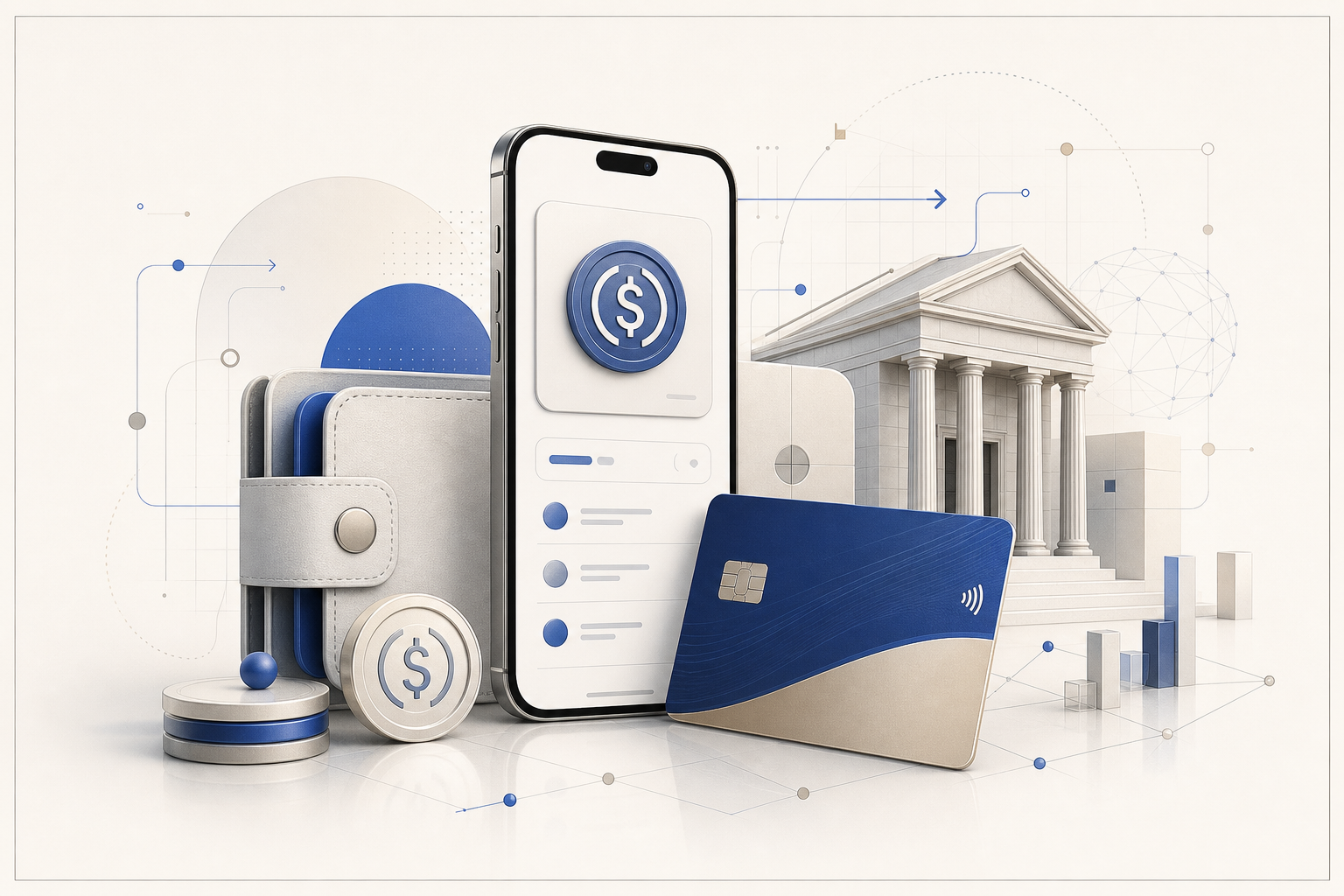
Plasma One is the latest sign that stablecoin product design is moving closer to consumer banking, even if the legal and risk profile remains very different from a bank account. The new app is being presented as a place to spend, send and earn with stablecoins from one interface, wrapping card payments, cross-border transfers and onchain yield into a single retail product. That matters for RWA and stablecoin markets because the industry’s next growth phase may depend less on creating new dollar tokens and more on whether ordinary users can hold and use tokenized dollars through familiar financial experiences.
In launch materials released this week, Plasma positioned the product as a vertically integrated stablecoin stack rather than a wallet layered on top of third-party rails. The company says Plasma One runs on the Plasma Network, its own blockchain, and is designed to combine network infrastructure, liquidity, payments, licensing relationships and app distribution inside one system. The consumer-facing pitch is straightforward: access dollars and deposit stablecoins, move value across borders quickly, and spend through a payment card without the fragmented handoffs that usually define crypto user experience.
The official product pages provide several concrete details. Plasma says users can access USD, deposit three stablecoins, send transfers in seconds and spend globally with a Plasma card. Its FAQ says the card can be used anywhere Visa is accepted in more than 150 countries, while global account services are powered by Bridge and card issuance is handled by Rain under a Visa principal membership structure. For a stablecoin product, those partner relationships are important. They show that even a company trying to own more of the stack still needs regulated distribution and card-network interfaces to reach everyday payments use cases.
Plasma is also trying to differentiate itself by combining consumer convenience with crypto-native economics. The company says qualifying card purchases can earn cashback in XPL, while balances placed into its Earn vault can generate yield through opportunities in the Plasma onchain ecosystem. It also advertises zero-fee cross-border stablecoin transfers on certain internal routes and direct bank off-ramps inside the app. Read together, those features amount to a specific thesis: users will be more likely to treat stablecoins like everyday money if the same account can handle storage, transfer, spending and yield capture without forcing them to move between an exchange, a wallet, a payments app and a bank.
But the launch materials are just as notable for what they clarify about risk. Plasma explicitly says it is a financial technology company, not a bank, money services business or investment adviser. The company also states that stablecoin balances are not bank deposits, are not covered by schemes such as the FSCS or FDIC, and may lose value. Its disclosures add that the earn feature is only a technology interface to third-party DeFi protocols, with no guarantee of principal and no deposit insurance. In other words, Plasma One is trying to make stablecoin usage feel like consumer banking while carefully preserving the distinction that users are still taking crypto, counterparty and protocol risk.
That distinction will shape how far products like this can move beyond crypto-native audiences. On one hand, the model is attractive for users who already think in digital dollars and want better payment utility, especially for international transfers and card spend. On the other, retail distribution gets harder when the interface looks bank-like but the underlying protections are much weaker than those attached to insured deposits. The reliance on partners such as Bridge, Rain and Visa also shows that stablecoin consumer apps are not escaping traditional financial infrastructure; they are selectively rebuilding around it while outsourcing the parts that still require established licenses and distribution channels.
For RWA Trails, the important takeaway is that stablecoins are increasingly competing on packaging and access, not just issuance scale. Institutional reserve funds and enterprise settlement APIs are one side of that trend; consumer products like Plasma One are the other. If these apps can turn tokenized dollars into a credible everyday spending and savings tool without obscuring the risk, they could broaden the real user base for onchain dollars. If they cannot, the market may discover that stablecoin adoption remains easier to promise in product demos than to sustain in regulated consumer finance.