Coinbase pushes AI agents closer to stablecoin execution rails
Coinbase’s new agent tooling combines wallet permissions, trading actions and HTTP-native stablecoin payments into a more practical machine-to-machine finance stack. For RWA markets, the significance is less about chatbot novelty and more about turning USDC-based settlement into programmable operating infrastructure.
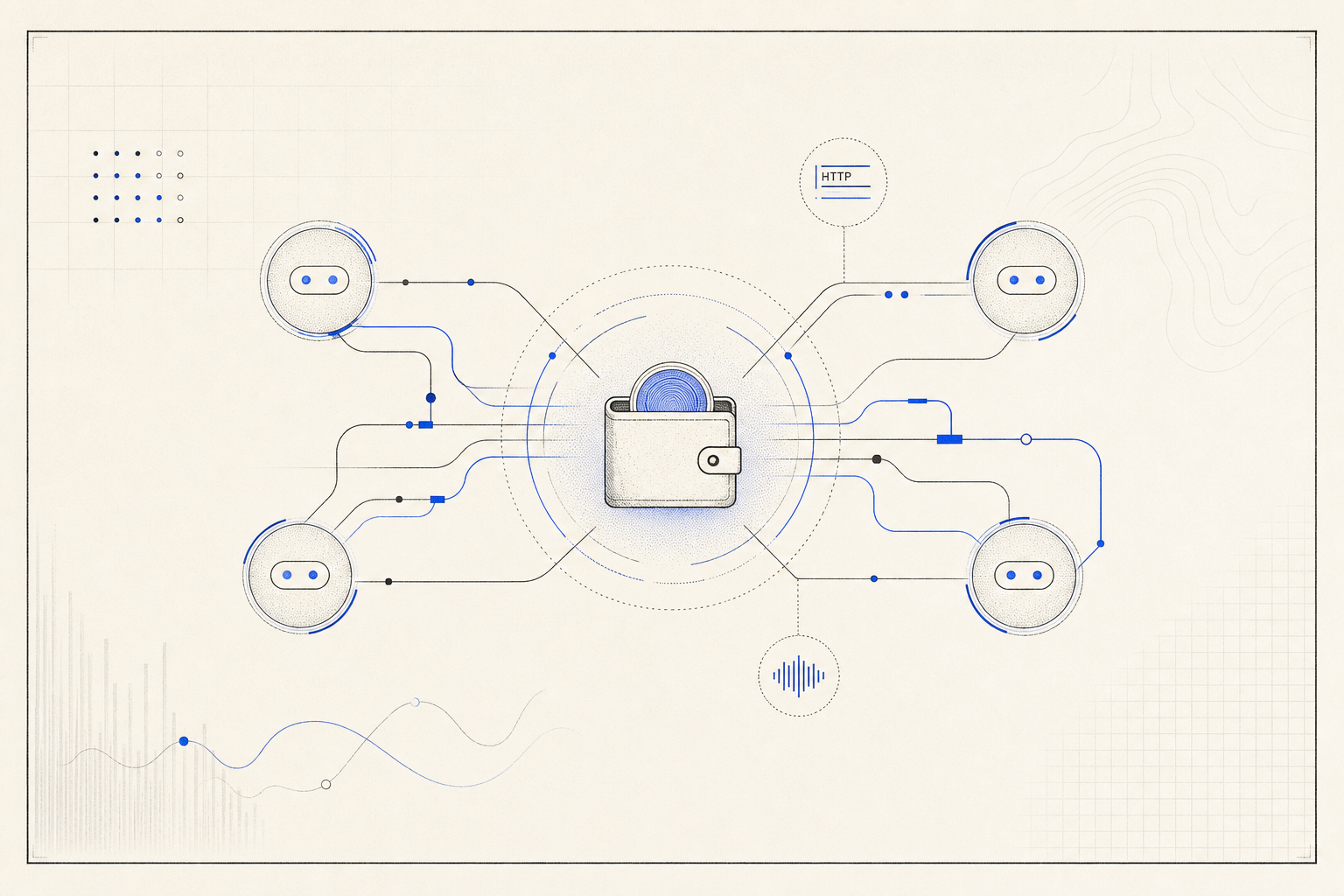
Coinbase’s new "Coinbase for Agents" launch is one of the clearest signs yet that large crypto platforms are moving beyond AI copilots and toward software that can actually hold balances, execute trades and complete payments inside predefined limits. That matters for the RWA and stablecoin market because it shifts the conversation from chat interfaces to transaction rails. If agents are going to pay for data, rebalance portfolios or trigger treasury moves on behalf of users and businesses, they need programmable money and payment infrastructure that can work machine to machine.
According to Coinbase’s launch materials and product description, the product gives AI agents direct access to user accounts so they can trade crypto, make payments and manage portfolios under guardrails set by the customer. Coinbase said the rollout includes both a Model Context Protocol integration for web-based assistants and a command-line workflow for developers working in coding environments. The company also introduced Coinbase Advisor, an in-app AI assistant positioned as a regulated guidance layer inside the Coinbase app. In practical terms, the launch is designed to let users delegate narrow financial tasks without handing over unconstrained control.
Coinbase’s own developer documentation shows that the company has been assembling the technical pieces for this for some time. AgentKit, the toolkit behind the broader agent push, is built around secure wallet management, onchain actions and support for both EVM-compatible networks and Solana. Coinbase also documents MCP support as a standardized way for models to call tools, which helps explain why the product is being framed as infrastructure rather than a one-off chatbot feature. The point is not just to answer questions about a wallet, but to let software take bounded actions onchain once a user or business defines the operating rules.
The more important RWA angle sits in Coinbase’s payment stack. Its x402 documentation describes an open protocol for automatic stablecoin payments over HTTP, reviving the long-unused "402 Payment Required" response code to let software request payment before serving an API, file or other digital resource. In Coinbase’s model, a buyer — including an AI agent — can request a resource, receive payment instructions, sign a payment payload and complete settlement programmatically. That architecture is relevant well beyond crypto trading. It creates a clean path for internet-native billing, paid data access and software-to-software settlement without forcing every workflow through accounts receivable teams, card rails or manual checkout flows.
Coinbase’s network-support documentation also makes the stablecoin implications more concrete. The company says x402 can work across Base, Polygon, Arbitrum, World and Solana through its facilitator service, with support for EIP-3009 tokens such as USDC and for broader ERC-20 payments through Permit2. For RWA markets, that matters because stablecoins are increasingly functioning as the cash leg for tokenized assets, collateral movements and automated treasury operations. A toolset that lets agents move value in USDC while also interacting with trading or portfolio logic starts to look less like an AI novelty and more like foundational financial plumbing.
There is still a meaningful gap between a product launch and durable adoption. Coinbase itself is emphasizing controlled environments: isolated portfolios, user-defined permissions, and future support for tighter spending limits and trade-size restrictions. Those constraints are not a weakness; they are a prerequisite if agentic finance is going to touch real capital. The same features that make agents attractive for repetitive workflows also make risk containment essential, especially when the underlying transactions settle instantly on public networks and may eventually span tokenized securities, funds or cash products.
Even so, the strategic signal is clear. Coinbase is connecting three layers that often get discussed separately: agent interfaces, wallet and execution tooling, and stablecoin settlement rails. That combination is especially relevant for tokenized finance, where the long-term opportunity is not just putting assets onchain but making the full operating stack programmable — discovery, instructions, payments, compliance controls and reporting. Once that stack is machine-readable, agents can begin to handle low-risk financial tasks that sit adjacent to RWA workflows, from paid research access to recurring portfolio actions to automated cash transfers.
The market should not assume that agent-driven commerce will scale overnight, and Coinbase has not solved every policy or product question just by shipping an SDK and front-end integrations. But this week’s launch does qualify as meaningful first-party infrastructure news. It shows one of the sector’s largest platforms trying to turn stablecoins into working internet cash for software agents, not just idle balances parked on exchanges. For RWA builders, that is the real takeaway: the next leg of tokenization may depend as much on programmable payments and execution standards as on the assets themselves.