BitGo and OTC Markets take tokenized securities infrastructure to the broker-dealer edge
BitGo Bank & Trust and OTC Markets Group are pursuing a framework that would let more than 150 broker-dealers handle digital asset securities through familiar OTC Link ATS workflows. The significance is less about a single launch and more about stitching custody, quoting and settlement into a structure traditional intermediaries can actually use.
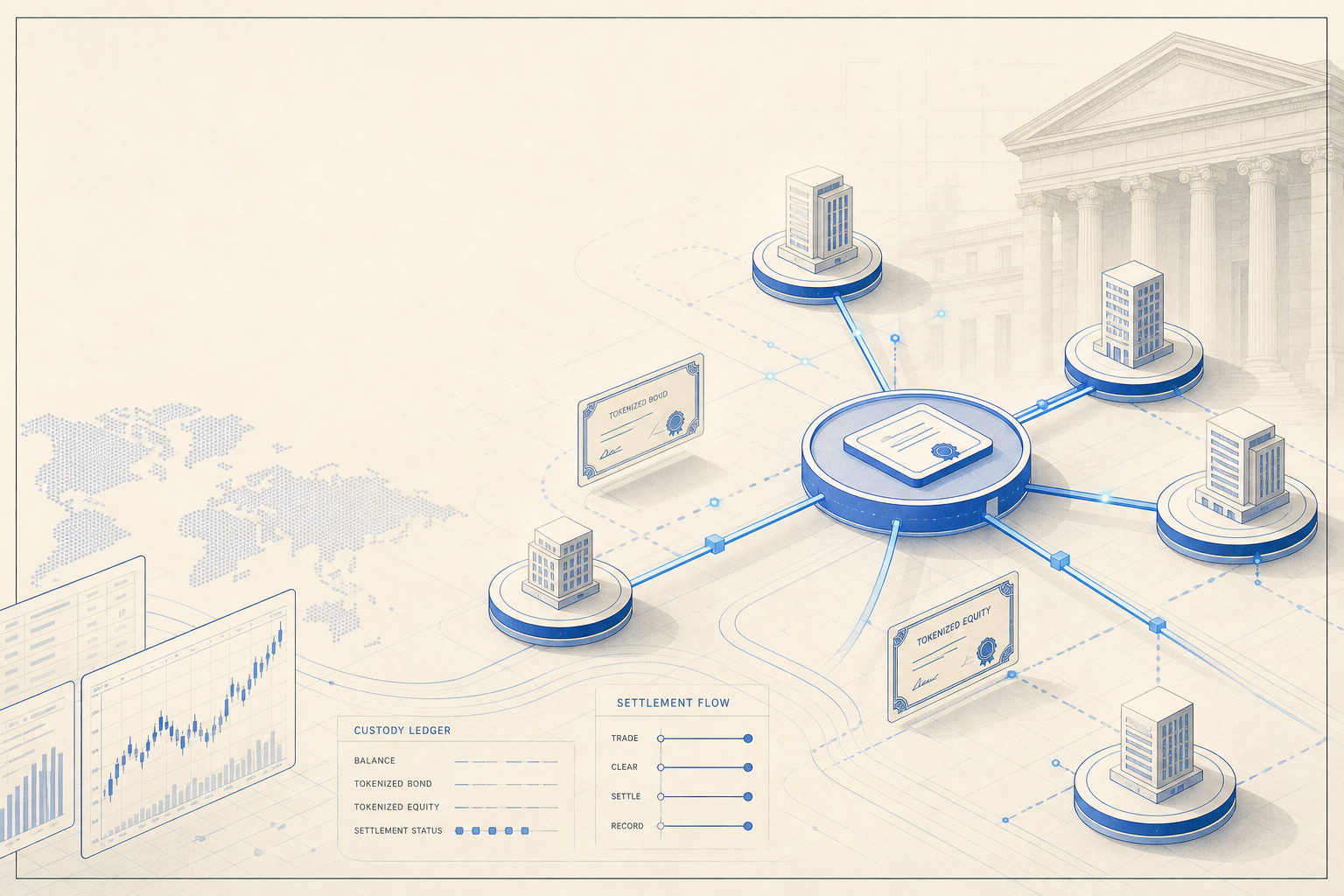
Tokenized securities infrastructure keeps advancing in discrete but important layers, and the latest one is aimed squarely at broker-dealers rather than crypto-native venues. BitGo Bank & Trust, the OCC-chartered digital asset trust bank within BitGo, and OTC Markets Group said they intend to pursue a strategic alliance that would bring digital asset trading and custody infrastructure to broker-dealers using OTC Link ATS. If the framework is implemented as described, the proposal would give more than 150 registered broker-dealers a route into digital asset securities through trading infrastructure they already know, instead of forcing them onto a separate crypto market stack.
That matters because one of the hardest problems in tokenized capital markets is not creating a token representation of an asset. It is connecting issuance, custody, quoting, execution and settlement in a way regulated intermediaries can operationalize without rebuilding their businesses from scratch. The alliance is designed around that reality. Under the proposal, subscribed broker-dealers would be able to quote, price and execute trades in digital asset securities on the same electronic trading framework they use today for NMS and OTC equities. The release says the connection would be powered by MatchHub, Elysium’s post-trade platform, which would link OTC Link ATS to digital asset custodians and help participants coordinate transactions through settlement.
BitGo’s role is the clearest sign that this is really an infrastructure story. The company said BitGo Bank & Trust would act as qualified custodian and would facilitate settlement between counterparties through its Go Network offchain settlement infrastructure. That fits with BitGo’s broader push this year to position itself as a bridge between tokenized assets and institutional market structure. In a recent post about DTCC’s tokenized securities milestone, BitGo described itself as the only OCC-regulated full-service qualified custodian integrated with DTCC’s tokenization service and framed qualified custody, secure asset movement and settlement as foundational requirements for institutional adoption. The proposed OTC Markets alliance extends that same thesis from Treasury-collateral workflows toward broker-dealer distribution.
OTC Markets’ contribution is equally important because it addresses where liquidity discovery and execution would happen. Rather than asking firms to leave established market structure and relearn a crypto exchange model, the proposal tries to place digital asset securities inside the quoting and dealer workflow of an SEC-regulated alternative trading system. In practical terms, that means the familiar separation of roles remains in place: broker-dealers make markets and provide best execution, a regulated custodian safeguards client assets, and settlement is coordinated through purpose-built infrastructure instead of ad hoc wallet transfers. That preservation of traditional market structure principles was a central message in the companies’ announcement, and it is likely to be the feature that resonates most with institutions evaluating tokenized products.
The scope also reaches beyond a narrow pilot in tokenized equities. The companies said the alliance is intended to support a range of digital asset securities first, while laying groundwork for broker-dealers to expand into tokenized assets and commodities as regulatory frameworks mature. That is an important distinction. It suggests the firms are not positioning this as a one-off product wrapper, but as an expandable distribution rail for multiple categories of onchain financial assets. For RWA markets, that is where the longer-term opportunity sits: once a broker-dealer can custody, quote and settle one compliant tokenized instrument, the same architecture can potentially extend to tokenized Treasuries, money-market exposures, fund interests and other regulated products.
There is also a timing element that makes the announcement notable. BitGo’s own recent product updates show a deliberate buildout of institutional trading capabilities around custody. Earlier this year it formally launched a full-service OTC desk and emphasized that clients could trade while assets remained protected inside qualified custody until settlement. It later expanded that OTC platform into bilateral derivatives, again stressing counterparty clarity, collateral segregation and tighter operational controls. The proposed OTC Markets relationship looks like the next logical step in that sequence: first secure the custody-and-settlement layer, then add institutional trading tools, then attach that stack to an existing broker-dealer network.
None of this means tokenized securities suddenly become frictionless. The proposed framework still depends on applicable regulatory requirements, eligible instruments, broker-dealer readiness and the usual controls around disclosures, investor access and post-trade operations. It also remains an intended alliance rather than a fully launched market. But even at this stage, the design is revealing. The market is moving away from the idea that tokenization succeeds simply because assets appear onchain. The more durable model is one where onchain instruments plug into recognizably regulated infrastructure and preserve the fiduciary boundaries institutions expect.
That is why this development qualifies as more than another partnership headline. If BitGo and OTC Markets can translate the proposal into live workflow, they will have shown a credible template for how tokenized securities move from specialist crypto platforms toward mainstream broker-dealer channels. For the broader RWA sector, that would be a meaningful step. The next phase of tokenization is likely to be won not by the platforms that tokenize the most assets in theory, but by the ones that make those assets tradable, custody-safe and settlement-ready inside the institutions that already sit between issuers and investors.