Base is signaling that tokenized equities are moving from roadmap item toward launch preparation
Base creator Jesse Pollak says 1:1-backed tokenized equities on the network are close, and the surrounding product and documentation trail suggests the push is more than a one-off teaser. The bigger story is that Base appears to be building the trading, tokenization and issuer rails needed to compete for onchain equity flow.
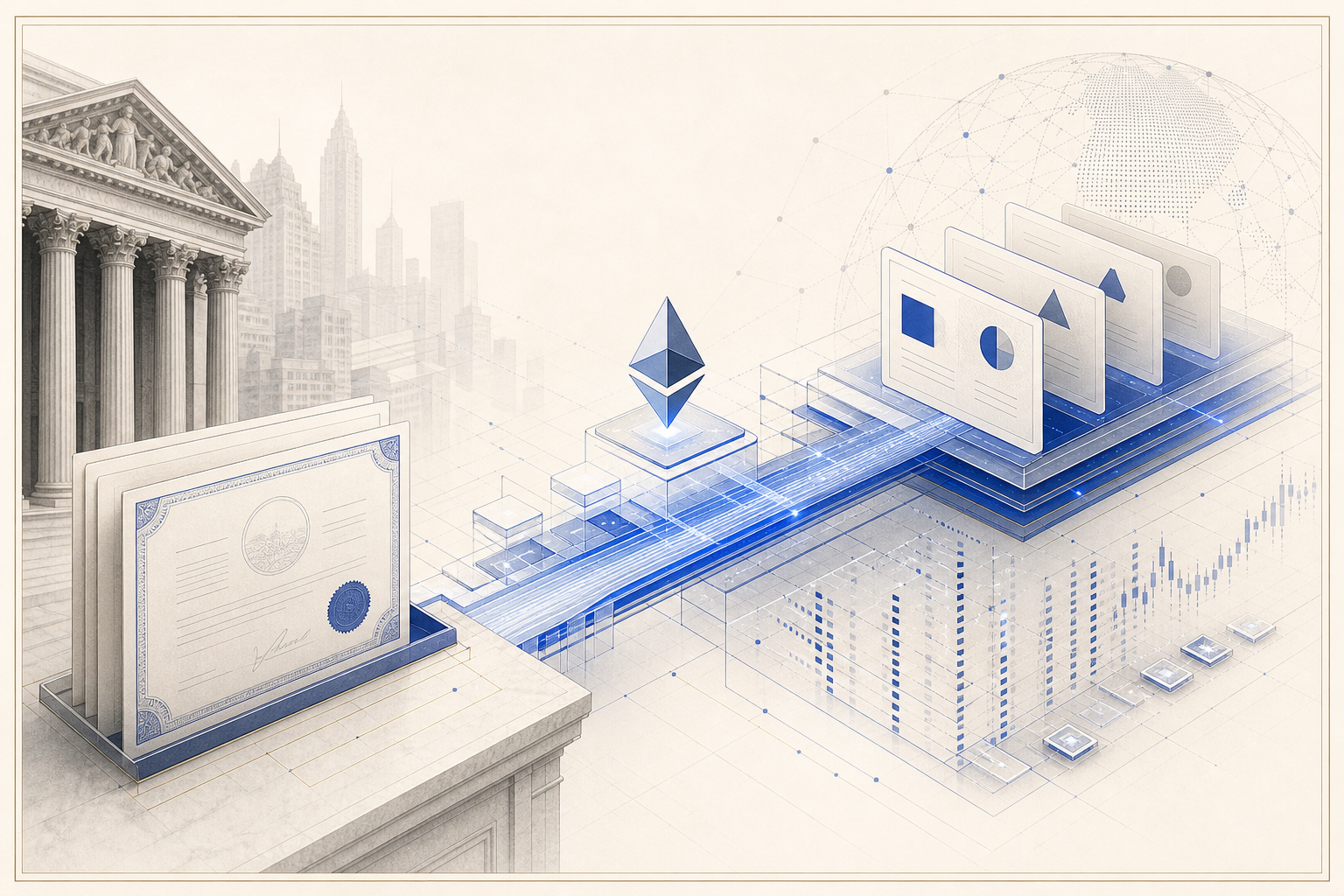
Base appears to be getting closer to a concrete tokenized-equities launch, and that matters because the network is no longer talking about tokenization as a distant ambition. In a public comment highlighted this week, Base creator Jesse Pollak said 1:1-backed tokenized equities on the Coinbase-linked Ethereum layer-2 are very near, with remaining work framed as final preparation rather than early exploration. For the RWA market, that is an important distinction: it suggests Base wants to move from general support for asset tokenization into a live market structure discussion around how listed equities may actually be issued, traded and settled onchain.
The immediate takeaway is not that tokenized stocks are already live on Base, because they are not. The more grounded read is that the network is now telegraphing launch intent while it lines up the operational details that usually slow these products down. Pollak’s comments also point to competitive pressure inside the onchain-equities segment. He effectively acknowledged that rival efforts have moved faster in bringing tokenized equities into EVM-compatible environments, while signaling that Base expects to close that gap soon. That puts the focus on execution quality: asset backing, issuer structure, transfer controls, jurisdictional access, broker integration and secondary-market design.
Base’s own public materials support the idea that this is part of a broader strategic build rather than a single headline. On its official trading page, Base describes itself as a platform for embedded trading and asset tokenization, positioning the chain as infrastructure for global financial applications rather than only for consumer crypto activity. That framing matters because tokenized equities need far more than smart contracts. They need a network that is explicitly courting market operators, fintech platforms, liquidity venues and compliance-aware product builders who can distribute regulated or semi-regulated investment products to end users.
The technical roadmap is also becoming easier to read. Base documentation for its B20 native token standard says the framework is designed for stablecoin issuers, real-world asset issuers, equity issuers and long-tail token creators. That is one of the clearest first-party signals that equity issuance is being contemplated at the protocol and standards level, not just in social-media messaging. If Base does move forward with 1:1-backed tokenized equities, the presence of a standards track aimed at equity issuers could become an important part of the launch story, especially if it helps define how issuance, transfer behavior and interoperability are handled across applications.
What makes this development worth watching is that Base seems to be aligning product direction and technical surface area at the same time. The network has already been emphasizing trading, payments and tokenized assets more explicitly in its public positioning. A tokenized-equities rollout would fit that strategy neatly: listed securities are one of the few asset classes capable of bringing together retail distribution, global investor demand, round-the-clock market access and deeper RWA legitimacy in a single product category. For Base, success here would not simply mean hosting token wrappers. It would mean convincing issuers, brokers and developers that the chain can support credible primary issuance and liquid secondary activity with acceptable user experience and compliance controls.
There are still major unanswered questions, and those questions will determine whether the launch is meaningful or merely symbolic. The market does not yet know which issuers or broker partners will stand behind the assets, how investor rights will be conveyed, what geographies will be eligible, how corporate actions will be handled or whether the resulting instruments represent direct ownership or a contractual claim on underlying shares. Those distinctions are not cosmetic. In tokenized equities, the legal packaging often matters as much as the blockchain rail, because investors ultimately care about enforceable rights, redemption certainty and what happens when activity has to cross from the token layer back into traditional market infrastructure.
Even so, Base is now giving the market enough first-party evidence to treat its tokenized-equities push as a serious near-term RWA initiative. Between Pollak’s public timing signal, the chain’s trading-and-tokenization positioning and documentation that explicitly contemplates equity issuers, the pieces are starting to look deliberate. If Base follows through, the next phase of scrutiny will shift from whether tokenized equities are coming to how they are structured, who is allowed to access them and whether the network can translate crypto-native distribution into durable capital-markets infrastructure.
For RWA builders and investors, that is the real story. Tokenized equities are becoming a contest over infrastructure readiness, issuer relationships and regulatory design, not just over which app can list a familiar ticker first. Base’s near-launch posture raises the stakes for that contest. The opportunity is obvious: global, programmable access to equity exposure on always-on rails. The burden is just as obvious: proving that the product can deliver credible asset backing, defensible market mechanics and institutional-grade trust once the marketing phase ends and the actual securities workflow begins.