Aave’s Avalanche Expansion Turns Tokenized Collateral Into a Design Goal, Not a Side Case
Aave’s first V4 deployment beyond Ethereum gives Avalanche a hub-and-spoke lending architecture built with a dedicated RWA venue already on the roadmap. The significance is not just another chain launch, but a clearer blueprint for how tokenized funds and credit products could plug into onchain lending under isolated risk controls.
Aave’s move to deploy V4 on Avalanche is more than a routine multichain expansion. It is one of the clearest signs yet that large DeFi credit venues are starting to architect for tokenized collateral as a core use case rather than a future edge case. The new deployment marks Aave V4’s first step beyond Ethereum, and the design choices around Avalanche show that the protocol is trying to prepare for a lending market where tokenized Treasurys, money market funds and private credit instruments can sit alongside crypto-native collateral under tighter risk segmentation.
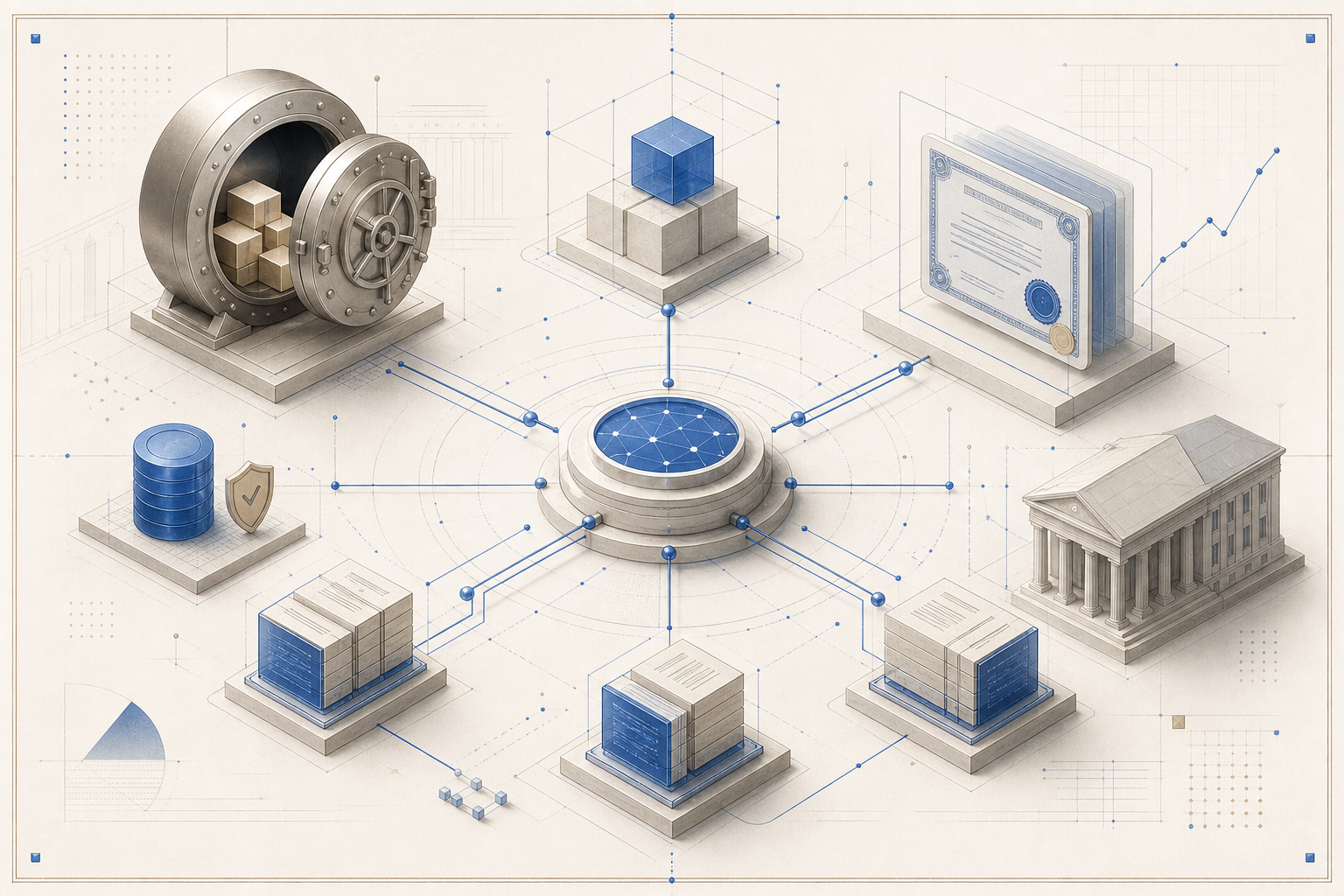
The key detail is structural. In its Avalanche deployment proposal, Aave Labs outlined a hub-and-spoke configuration with one liquidity hub and three initial spokes, plus a dedicated real-world-asset hub planned for a later phase. That matters because the protocol is not simply saying it might support RWAs one day. It is explicitly reserving a venue where institutional collateral can be isolated from the core pool, with its own topology, asset scope, oracle configuration and risk parameters. For tokenized assets, that kind of compartmentalization is likely to be essential because the underwriting assumptions for government-bond funds or private-credit receivables are very different from those for volatile crypto collateral.
Aave’s governance materials also frame Avalanche as a practical operating environment for that next step. The protocol already has an established history on Avalanche through V3, and the V4 rollout leans on that operational record rather than treating the network as a speculative expansion target. The proposal argues that Avalanche combines existing DeFi demand, active Aave usage and a credible path to protocol revenue. LlamaRisk’s supporting analysis took a conservative stance on caps and liquidity assumptions, but still backed the deployment design and described a configuration built around a core borrowing environment with spokes tuned for different collateral types and user intents. That is exactly the sort of risk-engineering groundwork institutional tokenized collateral markets require before they can move from slide decks to production.
The economic incentives are notable too. Aave governance documents say the Avalanche Foundation has committed up to $15 million in milestone-based incentives tied to launch and growth targets for the V4 markets. Incentives alone do not create durable lending demand, but they do help explain why Avalanche could become an early venue for more specialized credit products. If the network can support segmented liquidity pools, conservative risk controls and enough usage to make those markets efficient, it becomes a more plausible home for tokenized asset borrowing than a generic chain deployment with no institutional design logic behind it.
What makes this relevant to RWA markets is the direction of travel in collateral management. The broader market is moving toward tokenized collateral that can be valued, transferred and financed with less operational friction than traditional offchain workflows. Aave’s rollout lands as multiple institutional players are building the adjacent infrastructure required for that model, from tokenized money market fund collateral arrangements to faster movement and valuation of tokenized positions. The protocol is effectively building the lending side of that stack: a venue where tokenized assets could be posted, isolated and financed without forcing every market to share the same risk bucket.
That does not mean the hard problems are solved. Tokenized collateral markets still depend on reliable pricing, legal clarity around claims on underlying assets, transfer restrictions, bankruptcy remoteness and operational controls around redemptions and settlement. Those issues become even more important when assets move from simple buy-and-hold ownership into leveraged borrowing environments. But the Aave design suggests the next phase of DeFi credit will not wait for a perfect end state before adapting its architecture. Instead, it is creating containers that can accommodate more institutionally shaped collateral as the legal and operational rails mature.
For RWA issuers, that is an important signal. Tokenization has made progress on issuance and primary access, but secondary utility still depends on what holders can do with those assets once they are onchain. Lending is a major part of that answer. If products such as tokenized Treasury funds and onchain cash-management vehicles can eventually be used inside dedicated lending venues with isolated controls, their usefulness expands beyond passive exposure. Aave’s Avalanche deployment does not complete that transition on its own, but it does show how a leading DeFi credit protocol is now designing for it. The market should read that less as a chain launch and more as early infrastructure for a collateral model in which real-world assets become financeable building blocks inside onchain credit markets.